
Common SMT Production Troubleshooting Guide: How to Diagnose and Fix Issues in Your Turnkey Line
Navigating the Complexities of SMT Production: A Practical Troubleshooting Handbook
In the fast-paced world of electronics manufacturing, a smooth-running SMT turnkey solution is the backbone of productivity and quality. However, even the most advanced lines—comprising solder paste printers, pick and place machines like the Fuji NXT SMT solution or Yamaha SMT mounter YSM series, SMT reflow ovens, and inspection systems such as AOI automatic optical inspection and X-ray BGA inspection machines—can encounter operational hiccups. For EMS factory SMT line managers and engineers, especially those running high-mix electronics manufacturing lines, downtime is costly. This guide, drawing from over 15 years of industry experience at Motek, provides a systematic approach to SMT production troubleshooting, helping you identify, diagnose, and resolve common issues efficiently.
1. Solder Paste Printing Defects: The Foundation of Good Soldering
Poor solder paste deposition is a leading cause of downstream defects. Issues like bridging, insufficient paste, or smearing often originate here.
- Problem: Inconsistent Stencil Release or Poor Paste Deposition.
Diagnosis & Solution: First, check your stencil cleaning machine operation. Residual paste on the stencil underside causes smearing. Ensure the cleaning cycle frequency matches your paste type and board complexity. Second, verify the solder paste printer settings—squeegee pressure, speed, and separation speed. For fine-pitch components, a slower separation speed can improve release. Finally, inspect the stencil itself for damage or clogged apertures. Regular maintenance of both printer and stencil is crucial. - Problem: Solder Balls After Reflow.
Diagnosis & Solution: This can often be traced back to moisture in the solder paste or excessive paste slump. Ensure paste is stored and handled correctly (refrigerated, warmed before use). Check the printing environment; humidity control is vital. Also, review the reflow profile—a too-rapid temperature ramp can cause splattering.
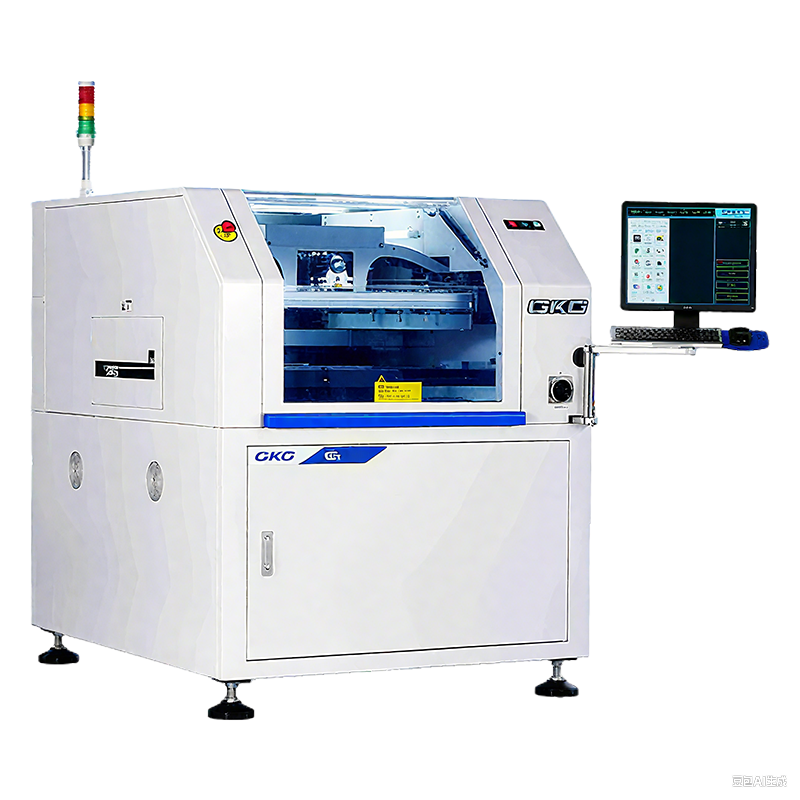
A reliable solder paste printer, like those offered in Motek's SMT turnkey solution, is the first critical checkpoint for quality.
2. Component Placement and Pick & Place Machine Issues
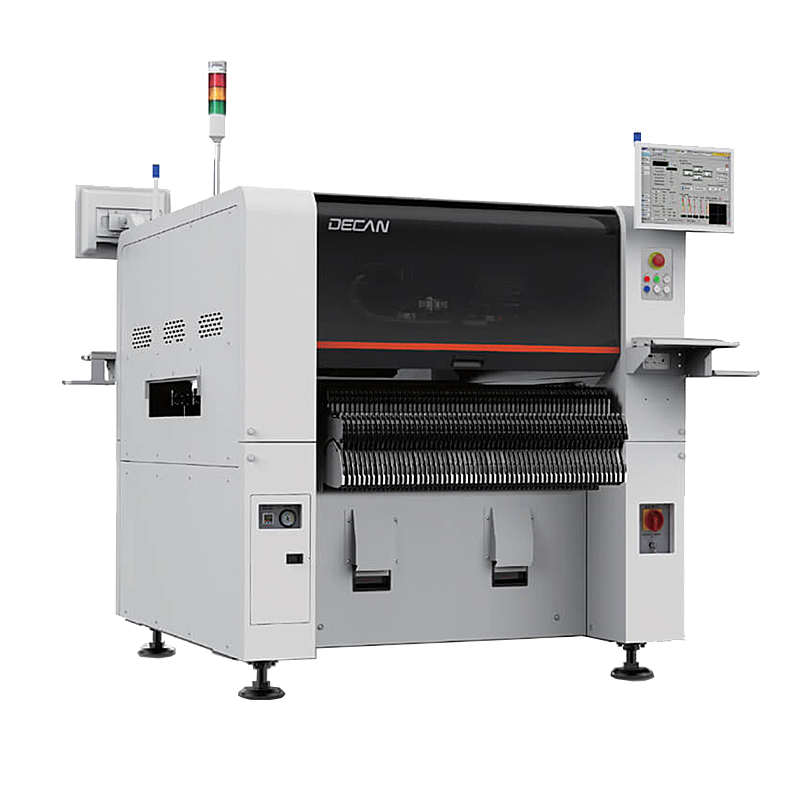
Misplaced, missing, or tombstoned components directly impact yield. These problems often involve the heart of the SMT turnkey solution: the placement equipment.
- Problem: Misalignment or Skewed Components.
Diagnosis & Solution: For machines like the JUKI pick and place machine or Yamaha SMT mounter YSM series, start with vision system calibration. Clean the cameras and lenses. Verify the component recognition library settings for the specific part. Check the SMT feeder (8mm, 12mm, 24mm) alignment and tension. A misaligned feeder will consistently place parts incorrectly. Also, inspect the SMT nozzle for wear or damage; a worn SMT nozzle replacement for Fuji Yamaha JUKI might be necessary. - Problem: Vacuum Errors or Missing Components.
Diagnosis & Solution: This indicates a failure in the pick-up process. Check the vacuum pressure at the nozzle. Clean or replace clogged nozzles. Examine the component tape cover film peel-back; if it's not peeling correctly, it can hinder pickup. Ensure feeder advancement is functioning properly. For high-mix lines, frequent nozzle changes make having a robust inventory of genuine SMT nozzle replacement for Fuji Yamaha JUKI critical.
3. Reflow Soldering Defects: Bridging, Cold Joints, and Voiding
The SMT reflow oven transforms paste into solid solder joints. Profile issues here can create multiple defects.
- Problem: Solder Bridging (Short Circuits).
Diagnosis & Solution: Often related to excessive solder paste volume (see printing issues) or an incorrect reflow profile. A profile with too low a peak temperature or too short a time above liquidus can prevent proper paste coalescence, leading to bridges. Verify the oven's thermal calibration and ensure the conveyor speed is consistent. For dense boards, a nitrogen atmosphere in the oven can significantly reduce bridging. - Problem: Cold Solder Joints or Insufficient Wetting.
Diagnosis & Solution: This points to insufficient heat. Check the reflow profile's soak and peak zones. The board must reach a temperature that allows the flux to activate fully and the solder to flow. Also, verify that the oven's heating zones are all functioning correctly. Contaminated or oxidized PCB pads can also cause poor wetting, highlighting the potential need for a PCBA cleaning machine in the pre-assembly stage for certain applications. - Problem: Voids in BGA Solder Joints.
Diagnosis & Solution: Voids are often detected only by an X-ray BGA inspection machine. They can be caused by outgassing from the PCB laminate or solder paste. Optimizing the reflow profile, particularly the preheat/soak stage to allow gradual outgassing, can help. Using a solder paste with lower voiding characteristics is another approach.
4. Inspection and Feedback Loop Failures
Modern SMT turnkey solutions rely on inspection data for process control. When AOI automatic optical inspection or Inline SPI inspection machine systems malfunction, defects can escape.
- Problem: High False Call or Escape Rates from AOI/SPI.
Diagnosis & Solution: For AOI automatic optical inspection, lighting is key. Re-calibrate lighting settings for the specific board and components. Update the inspection program to account for allowable variances. For Inline SPI inspection machine false calls, ensure the machine is clean and calibrated. The measurement thresholds may need adjustment based on historical process data. The goal is to create a closed-loop system where SPI data can feedback to adjust the solder paste printer in real-time, a feature advanced SMT turnkey solution providers like Motek can help implement. - Problem: Suspected Hidden BGA Defects.
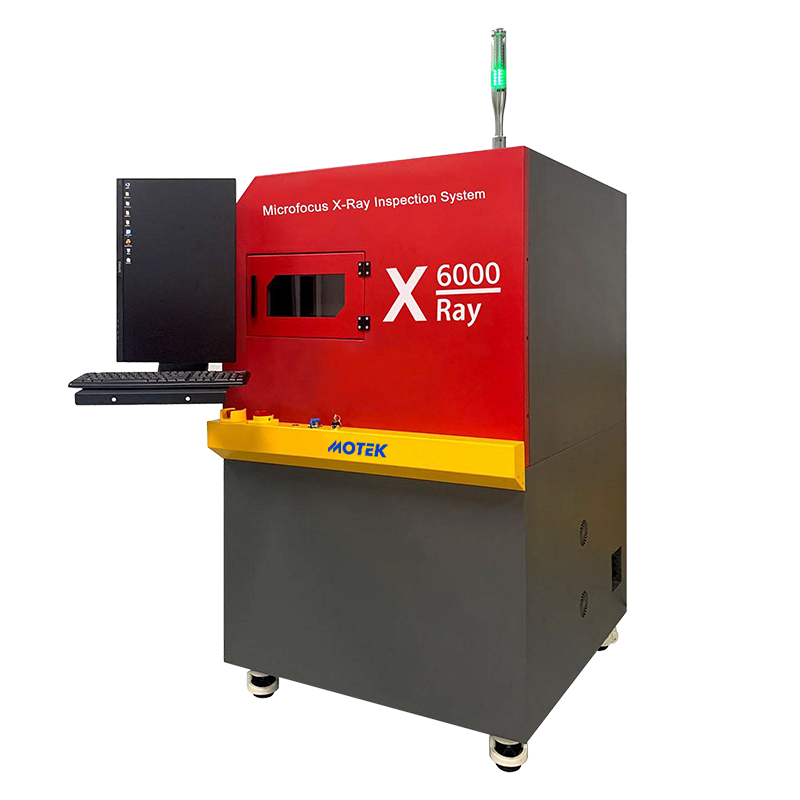
Diagnosis & Solution: This is where an X-ray BGA inspection machine becomes indispensable. If you suspect voids, bridging under the package, or misalignment, X-ray inspection is the only non-destructive method for verification. Integrating an X-ray system at the end of the line for critical products provides ultimate quality assurance.
5. Line Integration and Material Handling Problems
A true SMT turnkey solution is more than the sum of its machines; it's about seamless integration.
- Problem: Line Stoppages Due to Buffer Starvation or Congestion.
Diagnosis & Solution: This affects overall equipment effectiveness (OEE). Analyze the flow between machines like the PCB loader unloader, placement machines, and oven. An SMT buffer conveyor is essential for decoupling processes, especially when cycle times differ. For instance, if the pick and place machine is faster than the oven, a buffer prevents the placement machine from waiting. Motek's SMT line optimization service specializes in analyzing and redesigning these material flows for high-mix electronics manufacturing lines to maximize throughput. - Problem: PCB Damage During Depaneling.
Diagnosis & Solution: If using a PCB depaneling router after reflow, vibration or improper support can crack components or solder joints. Ensure the router is properly maintained with sharp bits. Consider alternative depaneling methods or optimize the support fixture design. The depaneling process should be evaluated as part of the overall SMT production troubleshooting strategy.
When to Call in the Experts: The Role of Professional SMT Line Optimization
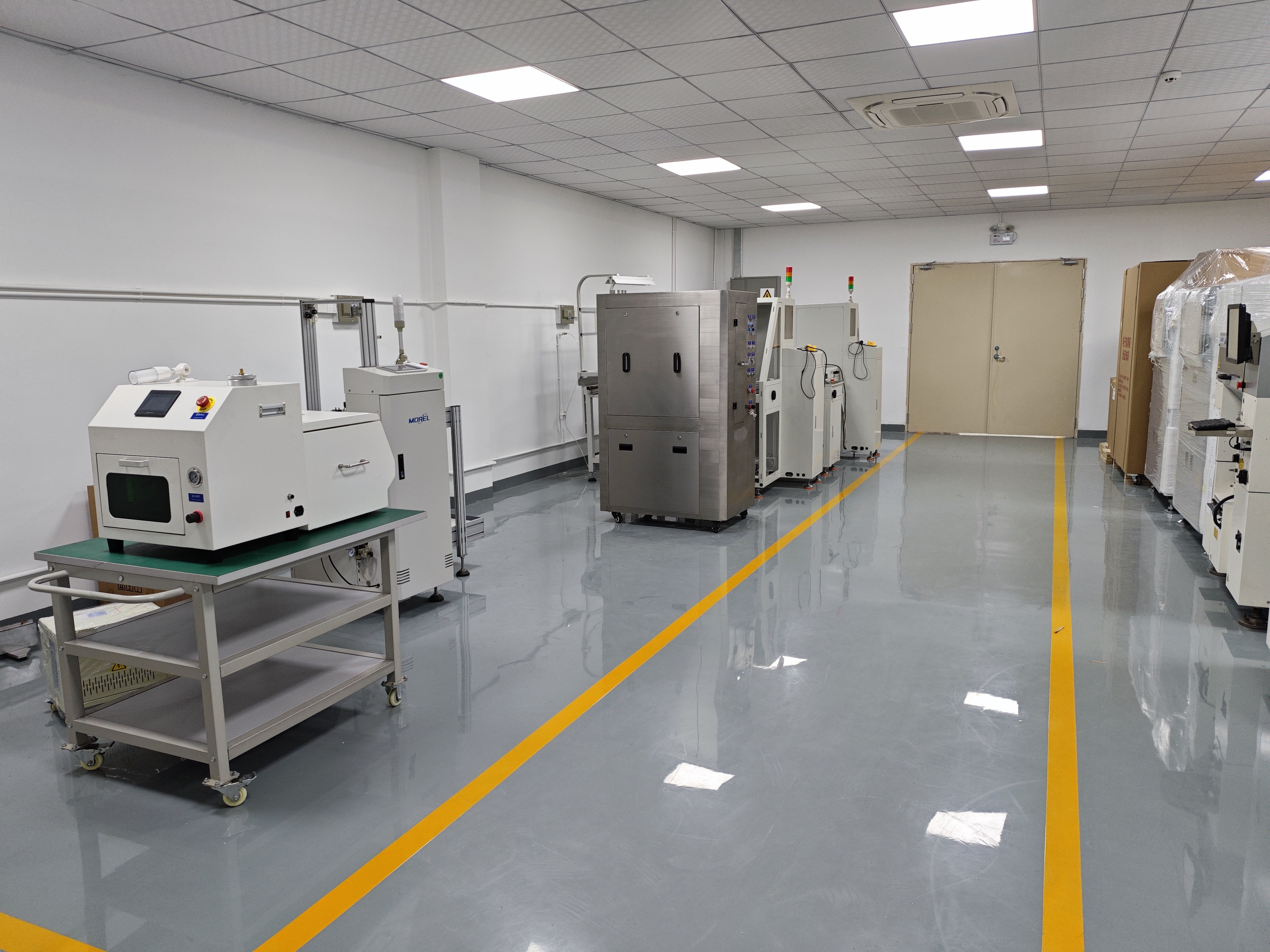
While many issues can be solved in-house, chronic problems affecting yield, throughput, or flexibility often indicate a deeper systemic issue. This is where partnering with an experienced SMT turnkey solution provider pays dividends. Motek, with its foundational 15-year journey from accessories to full solutions, embodies this expert role.
"We listen to our customers, so as to understand their needs! We understand, so to provide better solutions!" This philosophy drives Motek's SMT line optimization service. Their team doesn't just sell machines; they diagnose entire production ecosystems. They can assess whether your Fuji NXT SMT solution is optimally configured, if your Yamaha SMT mounter YSM series feeders need reorganization for a new high-mix product, or if integrating an Inline SPI inspection machine at a specific point could catch 30% more defects upstream.
Their comprehensive support extends to genuine spare parts like SMT nozzle replacement for Fuji Yamaha JUKI and SMT feeder 8mm 12mm 24mm, ensuring machine longevity and consistent performance. The company's certifications, including ISO 9001:2015 for quality management and the Verified Supplier Certificate, underscore their commitment to reliable partnership.
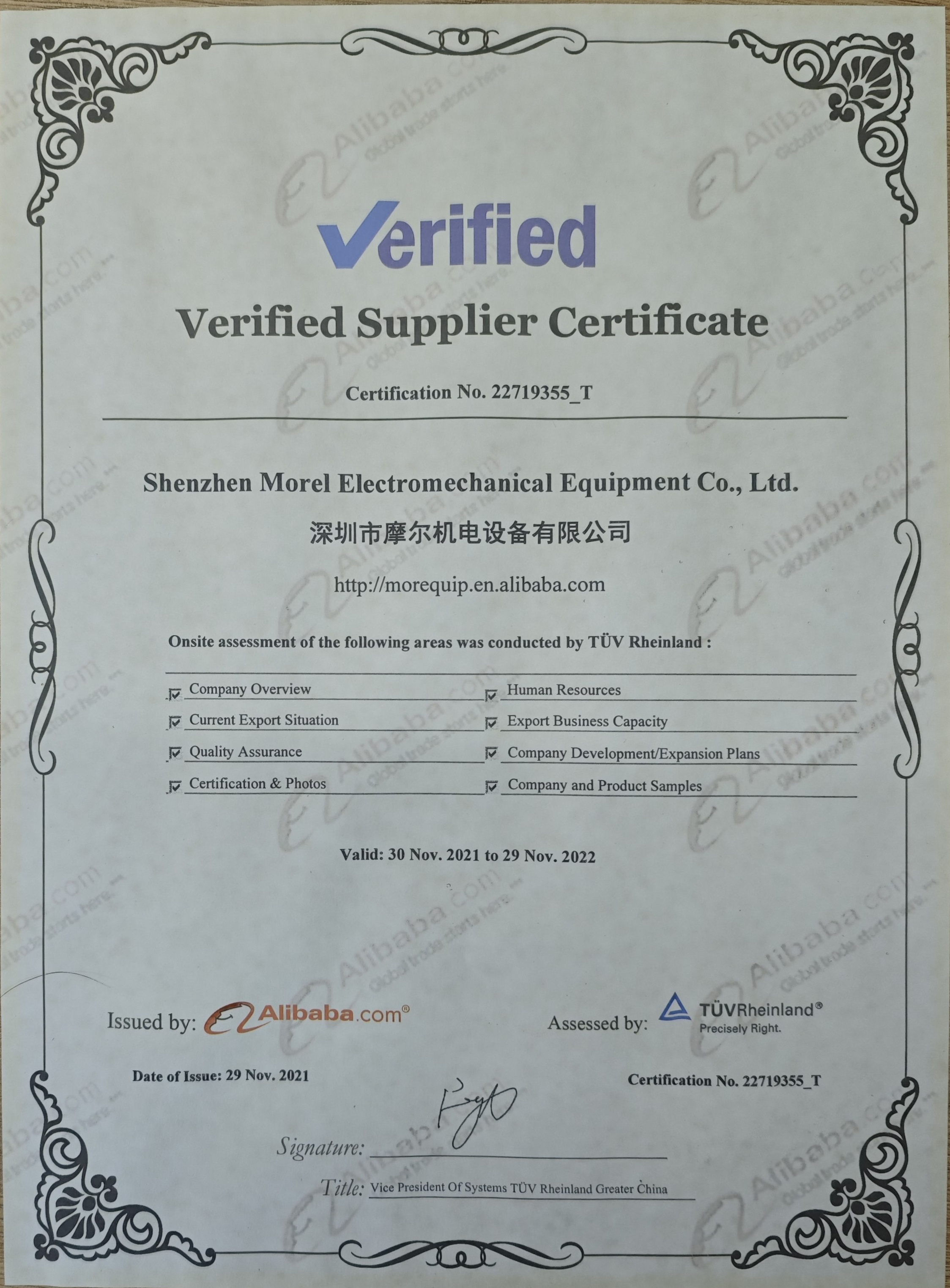
Motek's Verified Supplier Certificate is a testament to its reliability in the global SMT supply chain.
Conclusion: Building a Resilient SMT Manufacturing Process
Effective SMT production troubleshooting is a blend of detailed technical knowledge, systematic process analysis, and sometimes, strategic partnership. By understanding the common failure points in each segment of your SMT turnkey solution—from printing and placement to reflow and inspection—you can minimize downtime and scrap. For EMS factory SMT line operators facing the constant challenges of product changeovers and quality demands, having a reliable resource like Motek can be the key to unlocking greater efficiency and competitiveness.
Remember, a proactive approach to maintenance, calibration, and process monitoring is always cheaper than reactive firefighting. Whether you're fine-tuning a single machine or overhauling an entire line, the goal is a robust, flexible manufacturing process that delivers quality consistently.
For expert consultation on optimizing your SMT line, contact Motek today:
Telephone: +86-755-21635007
WhatsApp/WeChat: +86 199 2455 0176
Website: www.morequip.com
Email: sales@morequip.com / Stanley.yuan@morequip.com / Lawrence.Wang@morequip.com
Address: Room 405, Building A, Zhonggang Plaza, Exhibition Bay, No. 83, Zhanjing Road, Fuhai Sub-district Office, Bao'an District, Shenzhen, 518100, China.
MOTEK, a Name you can trust for your SMT turnkey solution and optimization needs!
Have Questions or Need More Details?
Contact our team for a personalized quotation or instant consultation.
Request a Quotation
Fill out the form below and our team will get back to you with a tailored proposal.
WhatsApp Direct Chat
Prefer to chat in real-time? Message us on WhatsApp for instant assistance & quick answers.
- Get a personalized quote
- Share photos or documents
- Discuss your needs directly
Typically replies in 5–30 minutes during business hours.