
Comprehensive Guide for Buyers: How to Select a Reliable SMT Turnkey Solution Provider
For procurement professionals in the electronics manufacturing sector, selecting the right Surface Mount Technology (SMT) turnkey solution provider is a critical decision that impacts production efficiency, product quality, and long-term operational costs. With the global electronics market demanding greater flexibility and higher-mix, lower-volume production, the need for robust and adaptable SMT lines has never been more pronounced. This guide outlines a systematic approach to evaluating and selecting a supplier that can deliver a complete, reliable, and future-proof SMT turnkey solution.
1. Define Your Core Requirements and Production Profile
Before initiating contact with suppliers, clearly define your operational needs. This forms the basis for all subsequent evaluations.
- Production Volume & Mix: Are you running high-volume, low-mix lines or high-mix electronics manufacturing lines? This dictates the flexibility required from pick and place machines and feeder systems.
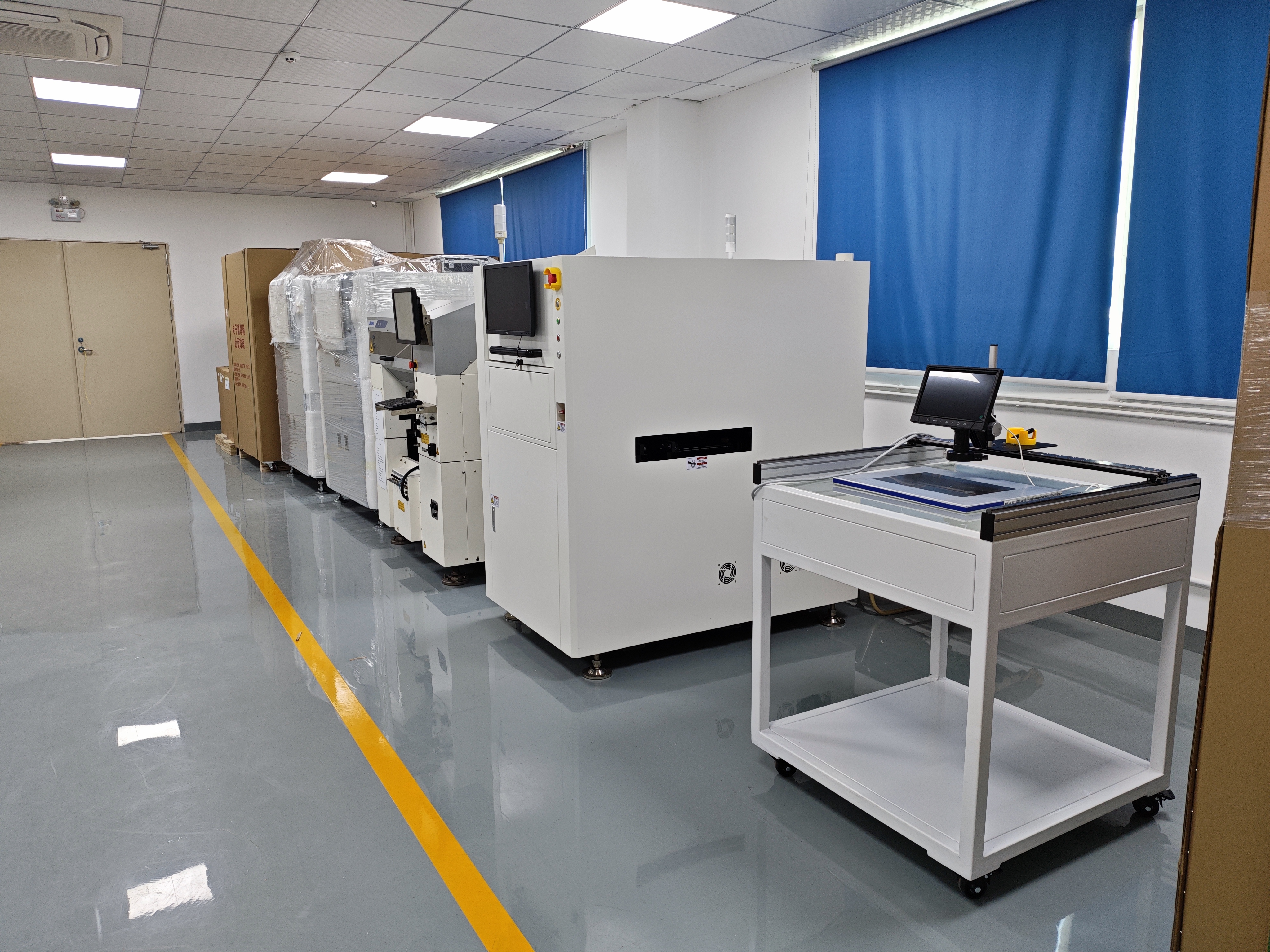
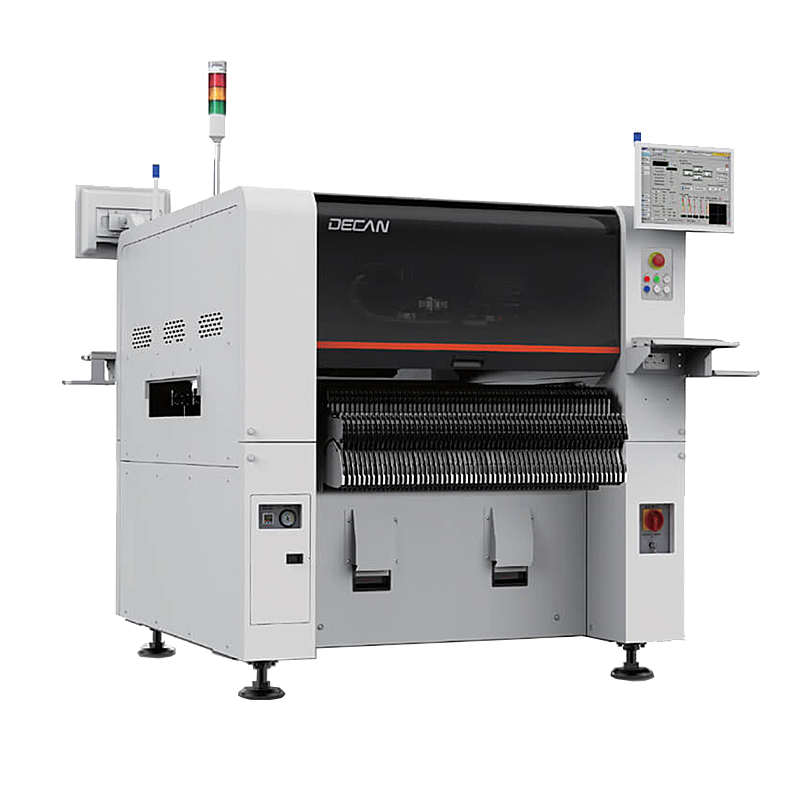
- Key Equipment Needs: List essential machinery: Solder paste printer, placement systems (e.g., Fuji NXT SMT solution, Yamaha SMT mounter YSM series, JUKI pick and place machine), SMT reflow oven, and inspection systems (AOI automatic optical inspection, Inline SPI inspection machine, X-ray BGA inspection machine).
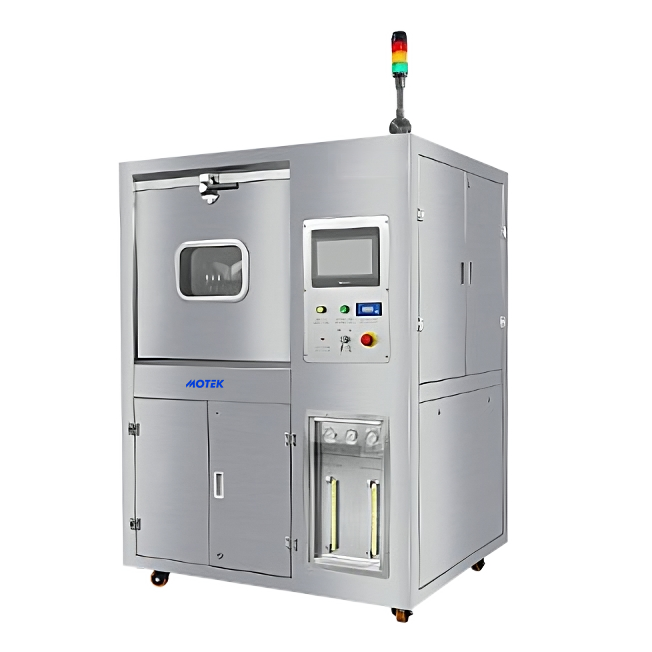
- Ancillary & Support Equipment: Don't overlook PCB loader unloader, SMT buffer conveyor, PCB depaneling router, PCBA cleaning machine, and Stencil cleaning machine. These are vital for line optimization.
- Future-Proofing & Services: Consider needs for SMT line optimization service, SMT production troubleshooting, and ongoing support for consumables like SMT feeder 8mm 12mm 24mm and SMT nozzle replacement for Fuji Yamaha JUKI.
2. Evaluate Supplier Capability and Technical Expertise
Technical depth is non-negotiable. Assess the provider's ability to design, integrate, and support the entire line.
- Range of Offerings: A true turnkey provider should supply or source all core and auxiliary equipment. For instance, Motek, with over 15 years in the SMT industry, has evolved from supplying accessories to becoming a one-stop service provider, understanding the complete ecosystem from pick and place machines to X-ray inspection.
- Integration & Optimization Skills: Inquire about their experience with SMT line optimization service for EMS factory SMT line setups. Can they provide a seamless flow from printer to unloader?
- Proven Track Record: Request case studies or references for similar high-mix electronics manufacturing lines or projects requiring complex SMT turnkey solutions.
3. Scrutinize Quality Assurance and Certifications
Certifications are a baseline indicator of a supplier's commitment to quality and international standards.
- Quality Management: Look for ISO 9001:2015 certification, which ensures consistent quality in processes and customer service.
- Industry-Specific Compliance: Certificates like a Machinery Directive Attestation of Conformity are crucial for sales into certain regions, demonstrating adherence to safety standards.
- Market Verification: A Verified Supplier Certificate from major B2B platforms adds a layer of trust and vetting.
For example, reviewing a provider's public certifications, such as those held by Motek (including ISO 9001:2015 and Verified Supplier status), offers tangible proof of their operational standards. You can view these on their website at www.morequip.com.
4. Analyze After-Sales Support and Local Service Network
The longevity of your SMT line depends heavily on the support behind it.
- Technical Support & Troubleshooting: Ensure they offer dedicated SMT production troubleshooting support. Can they provide remote diagnostics or timely on-site engineers?
- Spare Parts & Consumables Inventory: Check availability for critical wear parts like SMT nozzle replacement for Fuji Yamaha JUKI and various SMT feeders. A large in-stock inventory minimizes downtime.
- Training & Documentation: Comprehensive training for your technicians on the entire line, from the solder paste printer to the AOI automatic optical inspection system, is essential.
5. Compare Value Proposition, Not Just Price
The lowest initial cost often leads to higher total cost of ownership.
- Total Cost of Ownership (TCO): Factor in energy efficiency of the SMT reflow oven, maintenance costs for pick and place machines, and yield improvements from advanced Inline SPI and AOI systems.
- Solution Completeness: A provider offering a cohesive line with integrated PCB loader unloader and SMT buffer conveyor will deliver better long-term efficiency than a patchwork of machines.
- Strategic Partnership Potential: Choose a supplier that acts as a partner. As Motek states, their goal is to "become a reliable solution provider" by listening to and understanding customer needs, which is vital for adapting to future production challenges.
Conclusion
Selecting an SMT turnkey solution provider requires a multi-faceted evaluation focusing on technical capability, quality assurance, comprehensive support, and overall value. By methodically assessing suppliers against your specific needs for equipment, from Fuji NXT solutions to JUKI placers and essential inspection gear, you can establish a partnership that ensures production reliability, maximizes yield, and supports your growth in the competitive electronics manufacturing landscape.
For further information on SMT line configurations and support services, reputable providers like Motek can be contacted via phone at +86-755-21635007, WhatsApp/WeChat at +86 199 2455 0176, or email at sales@morequip.com. Their office is located at Room 405, Building A, Zhonggang Plaza, Exhibition Bay, Shenzhen, China.
Have Questions or Need More Details?
Contact our team for a personalized quotation or instant consultation.
Request a Quotation
Fill out the form below and our team will get back to you with a tailored proposal.
WhatsApp Direct Chat
Prefer to chat in real-time? Message us on WhatsApp for instant assistance & quick answers.
- Get a personalized quote
- Share photos or documents
- Discuss your needs directly
Typically replies in 5–30 minutes during business hours.