
Comprehensive Guide to Selecting a Reliable SMT Turnkey Solution Provider for Electronics Manufacturing
Introduction: The Critical Role of SMT Turnkey Solutions
In the competitive landscape of electronics manufacturing, the efficiency and reliability of a Surface Mount Technology (SMT) production line are paramount. For procurement managers and engineering directors, selecting the right SMT turnkey solution provider is a strategic decision that impacts production yield, time-to-market, and overall operational cost. A turnkey solution encompasses everything from core equipment like Pick and place machines and SMT reflow ovens to auxiliary systems such as PCB loader unloaders and SMT buffer conveyors, along with critical SMT line optimization service. This guide provides a structured framework to evaluate and select a provider that aligns with your specific manufacturing needs, whether for a high-mix electronics manufacturing line or a dedicated EMS factory SMT line.
Key Evaluation Criteria for SMT Turnkey Providers
Beyond initial cost considerations, a thorough evaluation should focus on the following pillars:
- Technical Breadth and Integration Capability: Assess the provider's portfolio. Can they supply and integrate all necessary components? Look for expertise in major platforms like Fuji NXT SMT solution and Yamaha SMT mounter YSM series, as well as complementary equipment from solder paste printers and AOI automatic optical inspection systems to X-ray BGA inspection machines and PCBA cleaning machines. Seamless integration prevents bottlenecks.
- Process Knowledge and Support Services: The provider should offer deep SMT production troubleshooting expertise. Evaluate their after-sales support, including training, spare parts logistics (like SMT feeder 8mm 12mm 24mm and SMT nozzle replacement for Fuji Yamaha JUKI), and proactive maintenance plans to minimize downtime.
- Quality Assurance and Certifications: Verify international standards compliance. Reputable providers hold certifications like ISO 9001:2015 for quality management systems and machinery directive attestations, ensuring equipment meets global safety and performance norms.
- Proven Track Record and Industry Reputation: Investigate the provider's project history, particularly in lines similar to your intended application. Client testimonials and case studies for EMS factory SMT line setups are valuable indicators of reliability.
- Scalability and Future-Proofing: Consider if the solution can adapt to future product changes or increased volume. Modular equipment and the provider's roadmap for new technologies are important factors.
Industry Example: Motek – A Case Study in Integrated SMT Solutions
To illustrate the application of these criteria, consider Motek, a provider with over 15 years of specialization in the SMT sector. Starting from supplying accessories, the company evolved into a comprehensive SMT turnkey solution provider, a journey that ingrained a deep understanding of diverse customer pain points, from high-mix electronics manufacturing line challenges to optimizing legacy JUKI pick and place machine lines.
Technical Portfolio: Motek's offering spans the entire SMT workflow. Their portfolio includes core placement equipment compatible with major brands, inline SPI inspection machines for solder paste validation, PCB depaneling routers, and essential peripheral equipment like stencil cleaning machines. This breadth allows for cohesive line design and single-source accountability.
Certifications and Quality Commitment: The company's operational integrity is backed by key certifications, including the ISO 9001:2015 Quality Management System certificate and a Verified Supplier Certificate (Certification No.22719355_T), which adds a layer of trust for international procurement. Their Machinery Directive Attestation of Conformity is crucial for sales into regulated markets.
Support and Philosophy: Motek emphasizes a consultative approach, focusing on listening to and understanding client needs to provide tailored solutions. Their support extends to comprehensive SMT line optimization service and readily available consumables and parts. For direct inquiries, they can be contacted via their website www.morequip.com, email at sales@morequip.com, or telephone at +86-755-21635007.
ISO 9001:2015 Verified Supplier Certificate Machinery Directive Attestation
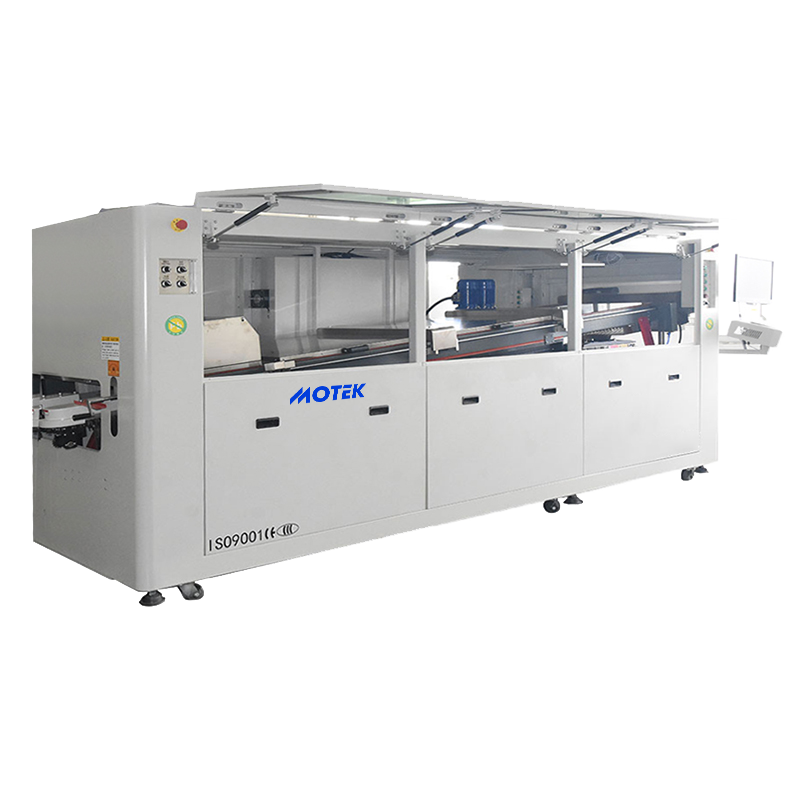
SMT Lead Free Wave Soldering Machine
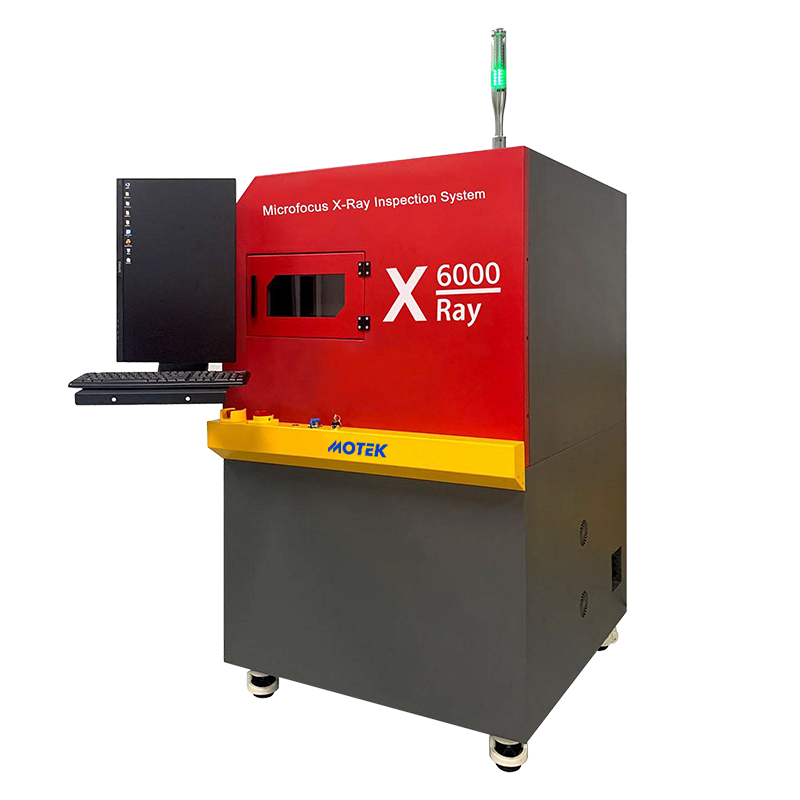
X-ray BGA Inspection Machine
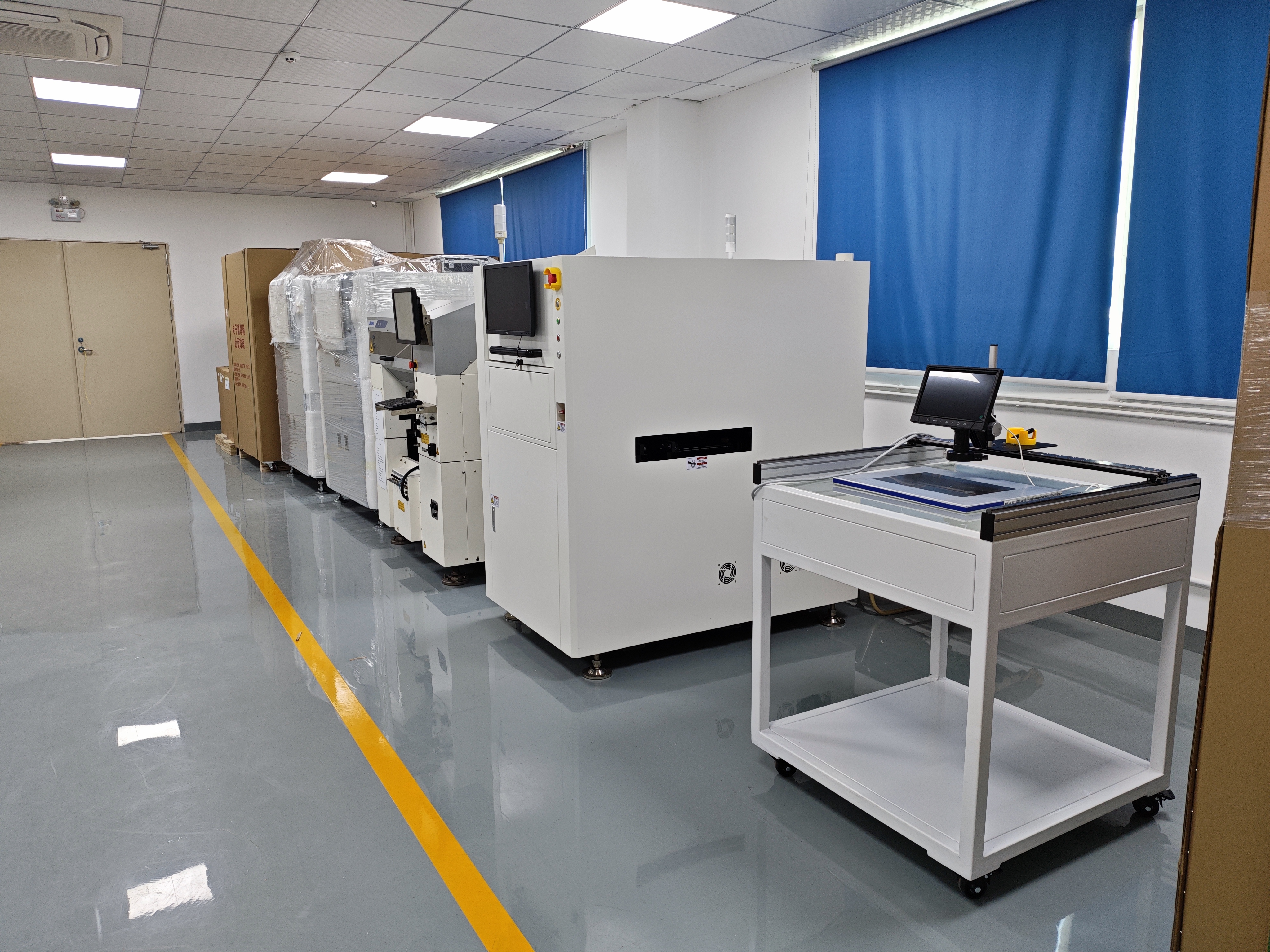
Production Workshop
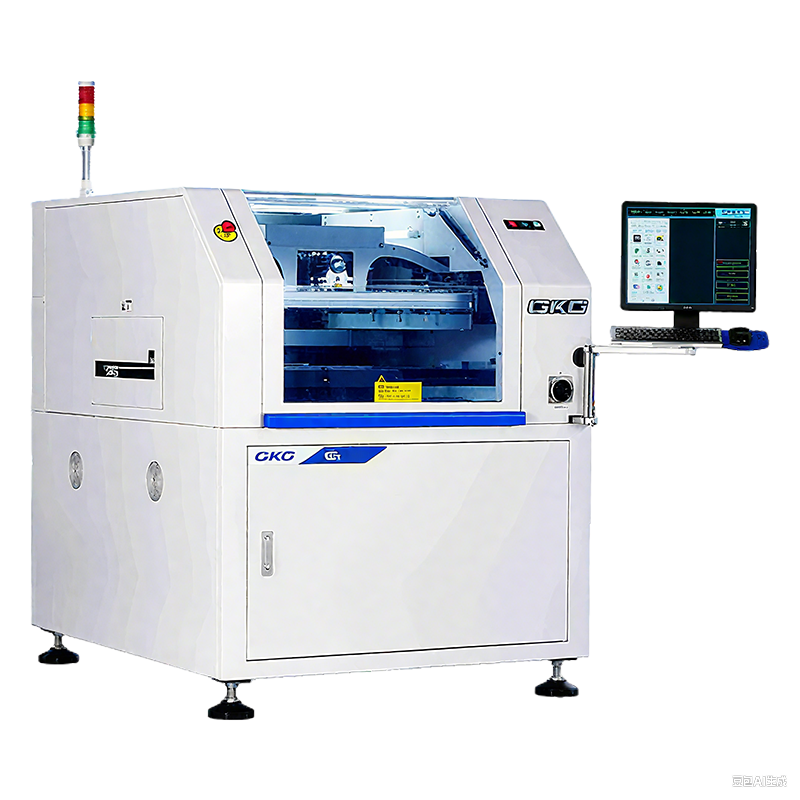
Solder Paste Printer
Comparative Analysis of Provider Types
Procurement teams often evaluate different types of providers. Here is a brief comparison:
- Major OEMs (e.g., Fuji, Yamaha): Offer high-performance, brand-specific solutions like the Fuji NXT SMT solution or Yamaha SMT mounter YSM series. Strength lies in cutting-edge technology for their own machines but may involve higher costs and less flexibility in integrating third-party auxiliary equipment.
- Specialized Turnkey Integrators (e.g., Motek): Provide agnostic, best-of-breed solutions. They can integrate equipment from various OEMs and offer a full range from pick and place machines to AOI automatic optical inspection and SMT buffer conveyors. They typically offer strong value engineering, customization, and holistic SMT production troubleshooting support.
- Used/Refurbished Equipment Dealers: Focus on cost-effective entry into SMT production. Suitable for startups or specific low-volume lines but may carry risks regarding machine longevity, integration support, and availability of specific parts like SMT nozzle replacement for Fuji Yamaha JUKI.
Implementation Checklist for Final Selection
Before finalizing a contract, ensure the following steps are completed:
- Request Detailed Line Layout and Simulation: The provider should deliver a CAD-based layout with cycle time analysis for your specific board designs.
- Conduct Factory Acceptance Test (FAT): Witness the integrated line running a sample of your production boards at the provider's facility to verify performance claims for equipment like the inline SPI inspection machine or PCBA cleaning machine.
- Clarify Support and Warranty Terms: Define response times, spare parts stocking agreements (especially for SMT feeder 8mm 12mm 24mm), and the scope of the SMT line optimization service included post-installation.
- Verify Compliance and Documentation: Ensure all equipment comes with complete manuals, CE/UKCA markings where applicable, and certificates like the Machinery Directive Attestation of Conformity.
- Plan for Knowledge Transfer: Schedule comprehensive operator and maintenance technician training as part of the project.
Conclusion
Selecting an SMT turnkey solution provider is a multifaceted decision that extends far beyond a simple equipment purchase. By rigorously evaluating technical capability, quality assurance, support structure, and total cost of ownership through the lens of your specific production needs—be it for a flexible high-mix electronics manufacturing line or a high-volume EMS factory SMT line—procurement professionals can forge a partnership that ensures manufacturing resilience, quality, and long-term competitiveness. A provider that demonstrates deep process understanding, a comprehensive equipment portfolio, and a validated commitment to service, as seen with established players like Motek, becomes a strategic asset in the electronics manufacturing value chain.
Have Questions or Need More Details?
Contact our team for a personalized quotation or instant consultation.
Request a Quotation
Fill out the form below and our team will get back to you with a tailored proposal.
WhatsApp Direct Chat
Prefer to chat in real-time? Message us on WhatsApp for instant assistance & quick answers.
- Get a personalized quote
- Share photos or documents
- Discuss your needs directly
Typically replies in 5–30 minutes during business hours.