
How to Select a Reliable SMT Turnkey Solution Provider: A Procurement Guide for Electronics Manufacturers
Procuring a complete Surface Mount Technology (SMT) turnkey solution is a significant investment that directly impacts production efficiency, product quality, and long-term operational costs. For procurement managers and engineers in the electronics manufacturing sector, navigating the global supplier landscape can be complex. This guide provides a structured framework to evaluate and select a capable and reliable SMT turnkey solution provider, ensuring your investment aligns with both current and future manufacturing goals.
Before engaging suppliers, clearly define your technical and operational needs. This forms the basis for all subsequent evaluations.
- Production Volume & Mix: Are you running high-volume, low-mix lines or high-mix, low-volume (HMLV) production? This dictates the flexibility and changeover speed required from pick-and-place machines and supporting logistics like SMT buffer conveyors.
- Board Complexity & Components: Assess the need for fine-pitch, micro-BGA, or odd-form components. This influences the choice of pick and place machine precision, X-ray BGA inspection machine necessity, and stencil cleaning machine requirements.
- Key Process Machines: List must-have equipment: e.g., specific models like Fuji NXT SMT solution or Yamaha SMT mounter YSM series, a high-accuracy solder paste printer, a capable SMT reflow oven, and mandatory inspection stages (AOI automatic optical inspection, Inline SPI inspection machine).
- Automation & Integration Level: Determine the need for PCB loader unloader systems, PCB depaneling routers, and PCBA cleaning machines for a fully automated line.
- Support & Services: Clarify requirements for installation, training, SMT line optimization service, and ongoing SMT production troubleshooting.
A supplier's technical depth is critical for solving complex integration challenges.
- Portfolio Breadth: Can they supply and integrate all core and peripheral equipment? Look for evidence of providing everything from JUKI pick and place machines to SMT feeder 8mm 12mm 24mm and SMT nozzle replacement for Fuji Yamaha JUKI.
- Industry-Specific Experience: Request case studies relevant to your sector (automotive, medical, consumer electronics). Experience in configuring an EMS factory SMT line or a high-mix electronics manufacturing line is a strong indicator of adaptability.
- Integration & Software Expertise: The true value of a turnkey solution lies in seamless machine communication (MES integration) and line balancing. Inquire about their process for line integration and data management.
The provider's own operational standards reflect the reliability you can expect.
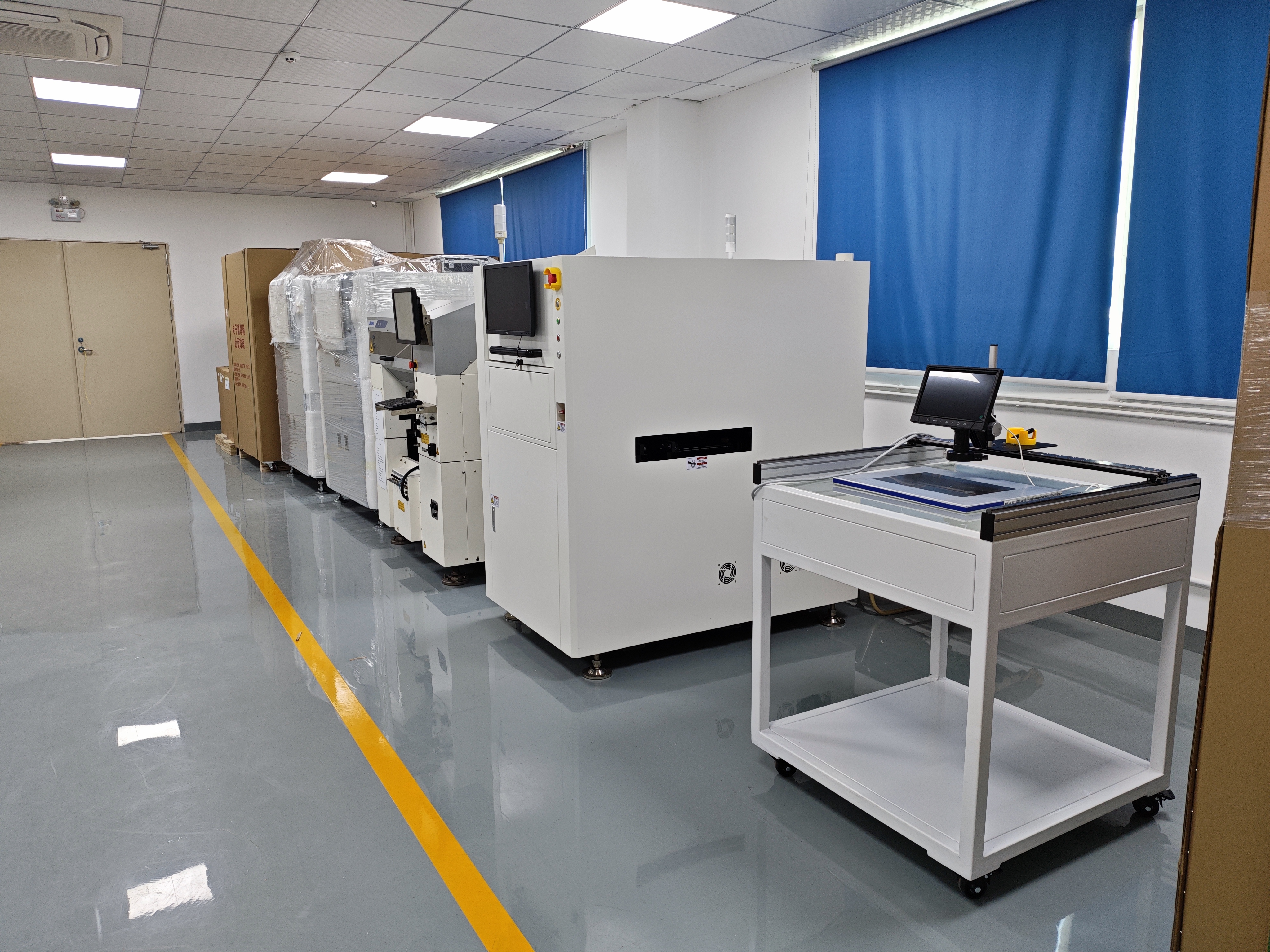
- Factory Audit: If possible, visit the supplier's manufacturing and assembly facility. Assess workshop organization, quality control stations, and testing procedures for equipment like reflow ovens or SPI machines.
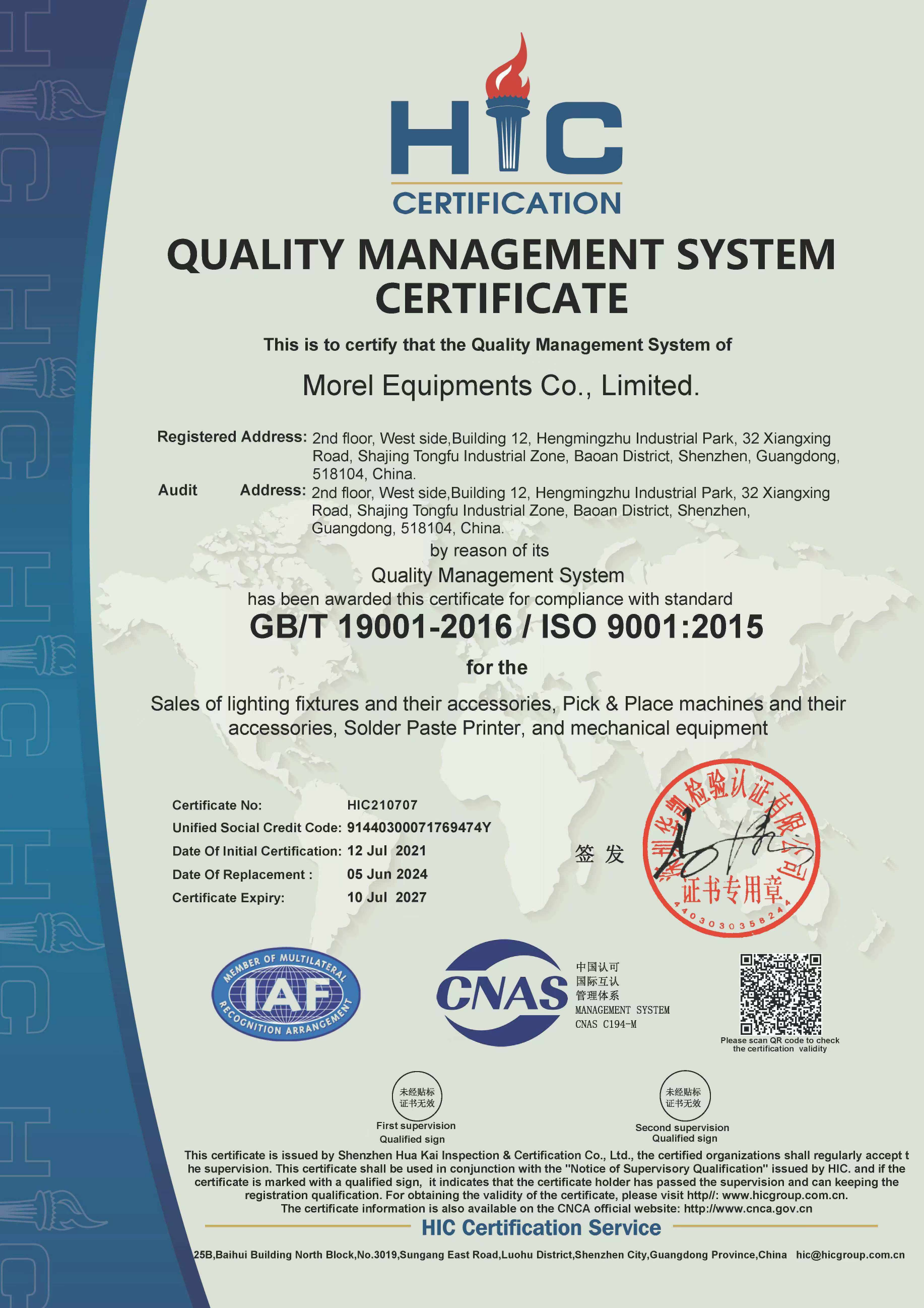
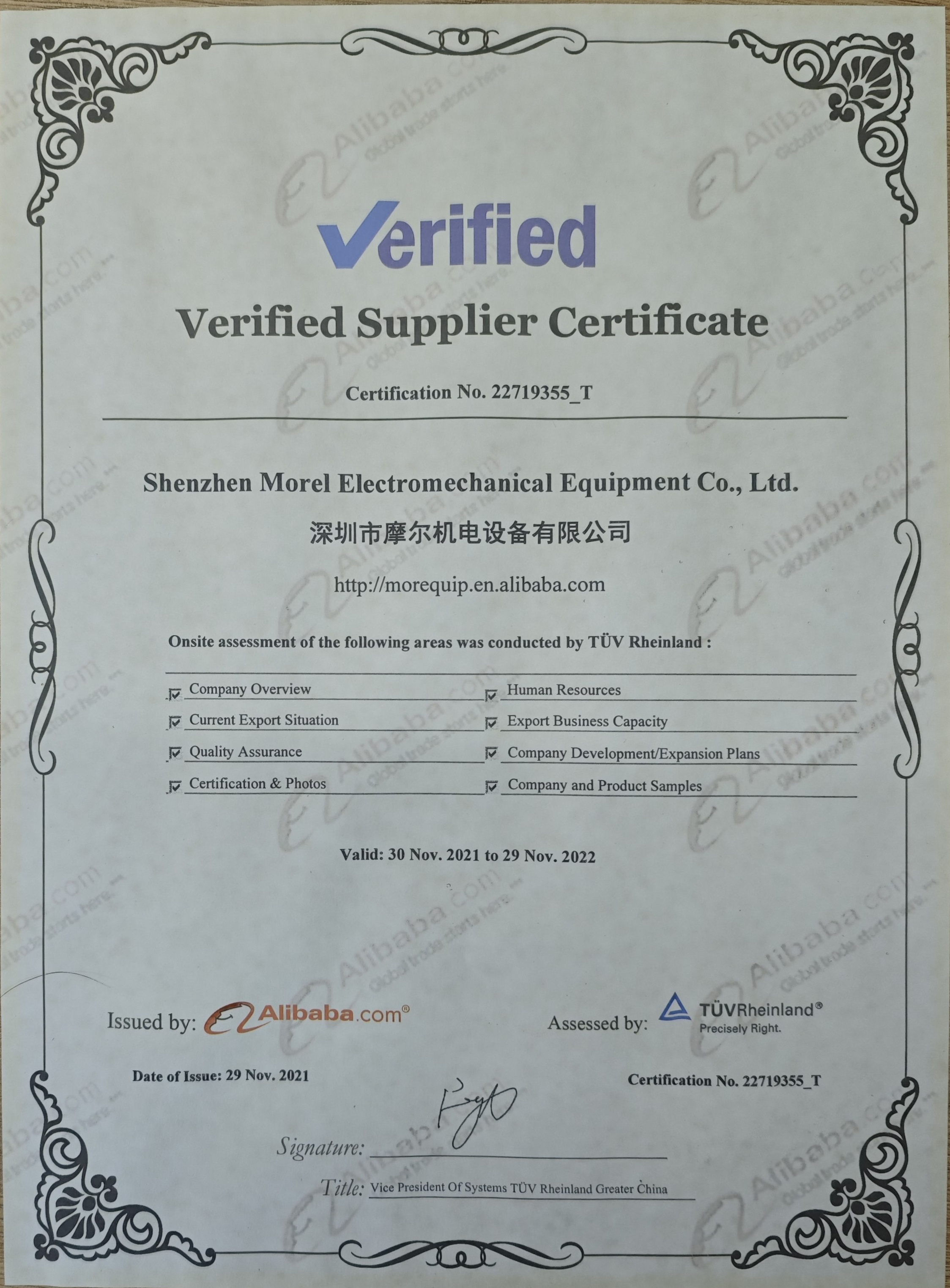
- Quality Certifications: Require proof of international quality standards. These are non-negotiable for ensuring consistent processes.
- Supply Chain & Spare Parts: Evaluate their inventory system for critical spare parts and consumables. A robust local or global spare parts network minimizes production downtime.
Long-term operational success depends on the support behind the equipment.
- Service Network: Does the provider have service engineers in your region? What are the typical response times for critical breakdowns?
- Technical Training: Comprehensive training for your operators and maintenance staff on the entire line, from the solder paste printer to the AOI, is essential.
- Preventive Maintenance Programs: Structured PM plans help maintain machine accuracy (e.g., for pick-and-place machines) and prevent unscheduled stops.
- Process Support: The best providers act as process partners, offering ongoing SMT line optimization service to improve yield and efficiency over time.
Mitigate risk by ensuring the partner is stable and respected.
- Company Longevity & References: A track record of 10+ years in the SMT industry suggests resilience and accumulated expertise. Always ask for and contact client references with similar line configurations.
- Financial Transparency: While detailed financials may be private, a stable business history and positive industry reputation are good proxies.
- Online Presence & Peer Reviews: Research the supplier on professional industry platforms and forums. Feedback from other EMS factory professionals can be invaluable.
Illustrative Example: MOTEK
With over 15 years of specialization in the SMT sector, MOTEK exemplifies a supplier that has evolved from component distribution to a comprehensive SMT turnkey solution provider. This journey has ingrained a deep understanding of diverse customer needs, from individual machine requirements like a PCB loader unloader to complete high-mix electronics manufacturing line integration.
Their service philosophy emphasizes listening and understanding client challenges to deliver tailored solutions. The company holds relevant international certifications, including ISO 9001:2015, underscoring its commitment to quality management systems. For procurement teams, such a profile indicates a partner focused on long-term reliability and process support.
Contact for Technical Consultation:
Telephone: +86-755-21635007
WhatsApp/WeChat: +86 199 2455 0176
Website: www.morequip.com
Email: sales@morequip.com / Stanley.yuan@morequip.com / Lawrence.Wang@morequip.com
Selecting an SMT turnkey solution provider is a strategic decision that extends beyond a simple equipment purchase. By methodically evaluating potential partners against defined technical requirements, proven integration capabilities, robust quality systems, responsive after-sales support, and solid market reputation, procurement professionals can secure a partnership that drives manufacturing excellence, minimizes total cost of ownership, and provides the agility to adapt to future production challenges. A diligent selection process today lays the foundation for a productive and reliable manufacturing operation for years to come.
Have Questions or Need More Details?
Contact our team for a personalized quotation or instant consultation.
Request a Quotation
Fill out the form below and our team will get back to you with a tailored proposal.
WhatsApp Direct Chat
Prefer to chat in real-time? Message us on WhatsApp for instant assistance & quick answers.
- Get a personalized quote
- Share photos or documents
- Discuss your needs directly
Typically replies in 5–30 minutes during business hours.