
How to Select the Right Solder Paste Printer for Your SMT Turnkey Solution: A Technical Buyer's Guide
In the intricate ecosystem of a Surface Mount Technology (SMT) production line, the solder paste printer is often considered the first and most critical process step for determining final assembly quality. A suboptimal print can lead to a cascade of defects—bridging, insufficient solder, tombstoning—that are costly to rework and can compromise product reliability. For procurement professionals and production managers evaluating an SMT turnkey solution, selecting the right solder paste printer is a decision that demands technical rigor and strategic foresight.
This guide is designed to demystify the selection process. We will move beyond basic specifications to explore the core technical and operational factors that differentiate printers, ensuring your investment aligns with your production goals, whether you're running a high-mix electronics manufacturing line or a high-volume EMS factory SMT line.
1. Core Technical Specifications: The Foundation of Evaluation
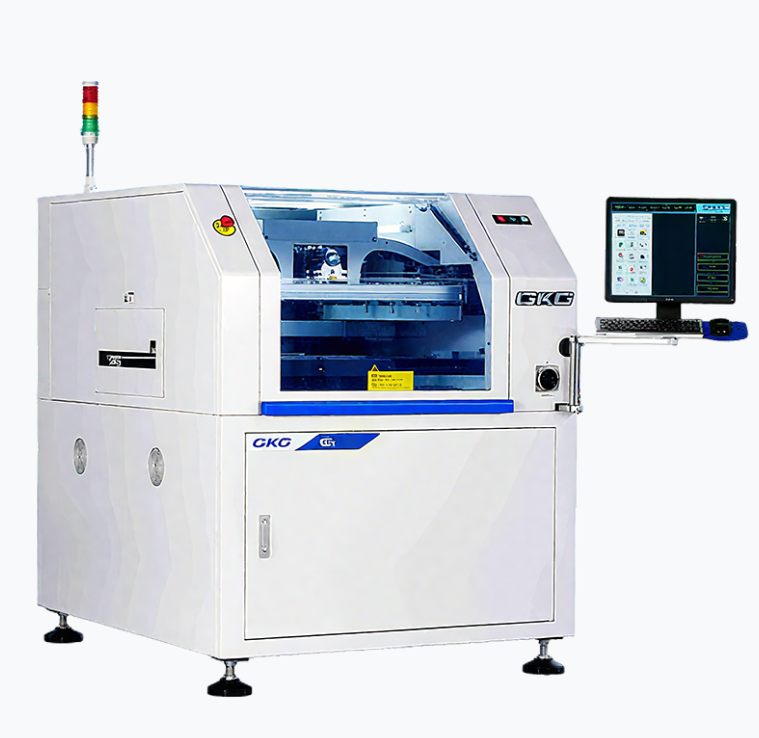
Begin your assessment with these non-negotiable technical parameters:
- Print Accuracy and Repeatability: This is typically measured in microns (µm). For mainstream applications, look for accuracy of ±25µm or better. High-density packages like 01005 or 0.3mm pitch BGAs may require ±15µm or less. Repeatability ensures every board is printed identically.
- Vision Alignment System: A must-have for modern lines. Evaluate the camera resolution, lighting (multi-angle, coaxial), and the algorithm's ability to handle fiducial marks on varied board surfaces (matte, shiny, through-hole).
- Stencil and Board Handling: Assess the clamping mechanism for zero board movement. Automatic stencil loaders and under-stencil cleaners are vital for minimizing downtime and maintaining print quality in automated SMT buffer conveyor systems.
- Print Speed (Cycles per Hour - CPH): Balance speed with your line's takt time. A printer that is too slow becomes a bottleneck; one that is excessively fast for your needs may represent an unnecessary capital outlay.
2. Matching the Printer to Your Production Model
Your production volume and product mix dictate the printer's feature set.
High-Mix, Low-to-Medium Volume
Characterized by frequent changeovers. Key printer features should include:
- Quick-change stencil frames and tooling.
- Intuitive software for fast program recall and setup.
- Support for multiple paste types (e.g., lead-free, no-clean) with easy cartridge switching.
- This is a common scenario where a provider like Motek, with deep experience in high-mix electronics manufacturing line optimization, can offer tailored SMT line optimization service to integrate the printer seamlessly.
High-Volume, Low-Mix
Focused on throughput and uptime. Prioritize:
- High CPH ratings and robust construction for 24/7 operation.
- Fully automated material handling integration with PCB loader unloader systems.
- Advanced process monitoring and data logging for Statistical Process Control (SPC).
- In-line SPI inspection machine integration capability is almost mandatory here for closed-loop process control.
3. The Integration Imperative: Beyond a Standalone Machine
A printer is not an island. Its value is maximized when it functions as a cohesive part of the SMT turnkey solution. Consider these integration points:
- Mechanical & Data Connectivity: Does it have standard conveyor widths and heights to link with your pick and place machine (e.g., Fuji NXT SMT solution, Yamaha SMT mounter YSM series, JUKI pick and place machine) and SMT reflow oven? Can it output print data to a Manufacturing Execution System (MES)?
- Inspection Integration: The most effective quality strategy pairs the printer with an inline SPI inspection machine. The SPI measures paste volume, height, and alignment immediately after printing, providing instant feedback to correct drifts before components are placed.
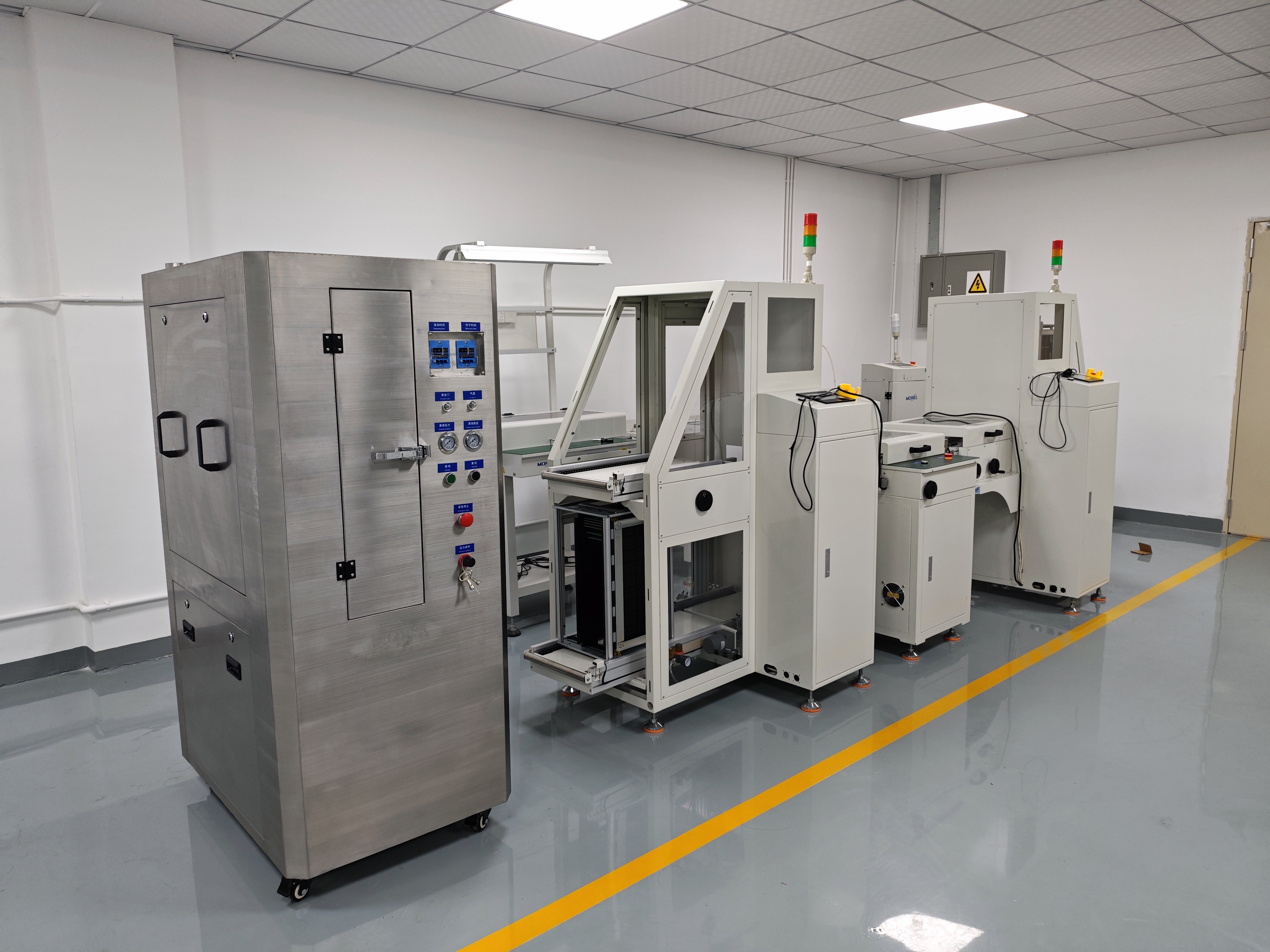
- Supporting Equipment: Factor in the need for ancillary equipment like a reliable stencil cleaning machine and a PCBA cleaning machine for post-reflow, which are part of a complete process chain.
4. Evaluating the Provider: Technical Support and Lifecycle Value
The machine's capabilities are only half the equation. The supplier's ability to support you defines long-term success.
- Application Engineering: Can they provide pre-sales consultation to match the printer to your specific boards and pastes? Providers with extensive field experience, such as Motek, leverage over 15 years in the industry to offer this critical guidance.
- After-Sales and Troubleshooting: Rapid response for SMT production troubleshooting is essential. Inquire about service network coverage, spare parts (SMT nozzle replacement for Fuji Yamaha JUKI, squeegee blades, etc.) availability, and typical response times.
- Training and Documentation: Comprehensive operator and maintenance training reduces human error and downtime.
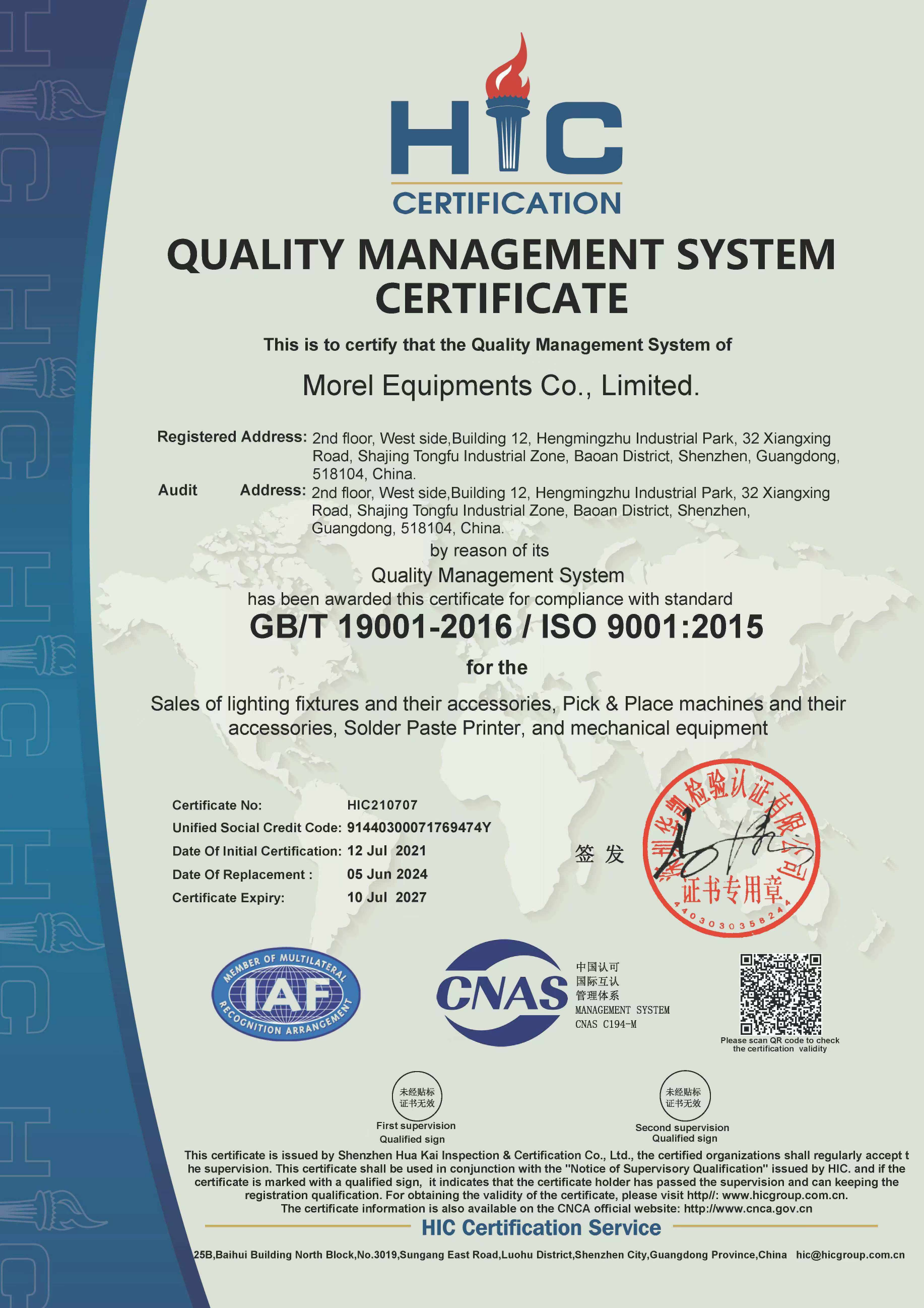
- Certifications as a Trust Proxy: A supplier's commitment to quality systems is reflected in certifications. Look for ISO 9001 for quality management. For example, Motek holds ISO 9001:2015 certification and is a Verified Supplier, which signals a structured approach to delivering reliable solutions.
Making the Informed Decision
Selecting a solder paste printer requires a holistic view that balances technical specs, production needs, integration capabilities, and supplier partnership. It is the cornerstone of your SMT line's yield and efficiency. By methodically evaluating these factors, you move from simply purchasing a machine to acquiring a critical process capability.
For organizations seeking a partner that understands this holistic view, companies like Motek position themselves as more than just equipment vendors. With a philosophy centered on listening to and understanding customer needs, they aim to be a "reliable solution provider," offering everything from core equipment like printers and AOI automatic optical inspection systems to comprehensive SMT line optimization service. Engaging with a provider that offers this depth of experience can be instrumental in navigating the complex selection process for any component of an SMT turnkey solution.
For further technical consultation on solder paste printing or integrating inspection systems like X-ray BGA inspection machine, you can reach out to industry experts. For instance, Motek can be contacted via phone at +86-755-21635007, WhatsApp/WeChat at +86 199 2455 0176, or email at sales@morequip.com. Visit their website at www.morequip.com for more information on their complete SMT equipment and service portfolio.
Have Questions or Need More Details?
Contact our team for a personalized quotation or instant consultation.
Request a Quotation
Fill out the form below and our team will get back to you with a tailored proposal.
WhatsApp Direct Chat
Prefer to chat in real-time? Message us on WhatsApp for instant assistance & quick answers.
- Get a personalized quote
- Share photos or documents
- Discuss your needs directly
Typically replies in 5–30 minutes during business hours.