
Procurement Guide: How to Select a Reliable SMT Turnkey Solution Provider for Your Electronics Manufacturing Line
In the fast-paced world of electronics manufacturing, selecting the right Surface Mount Technology (SMT) turnkey solution is a critical decision that impacts production efficiency, product quality, and overall operational cost. For procurement professionals, navigating the vast landscape of equipment vendors and service providers can be daunting. This guide outlines a systematic approach to evaluating and selecting a qualified SMT turnkey solution partner, ensuring your investment aligns with both current needs and future scalability.
1. Define Your Technical and Operational Requirements
The first step is a thorough internal assessment. Clearly define your production goals, which will directly influence the equipment specifications and line configuration you require.
- Production Volume & Mix: Are you running high-volume, low-mix lines or high-mix electronics manufacturing lines? This determines the flexibility and speed requirements for core machines like the pick and place machine.
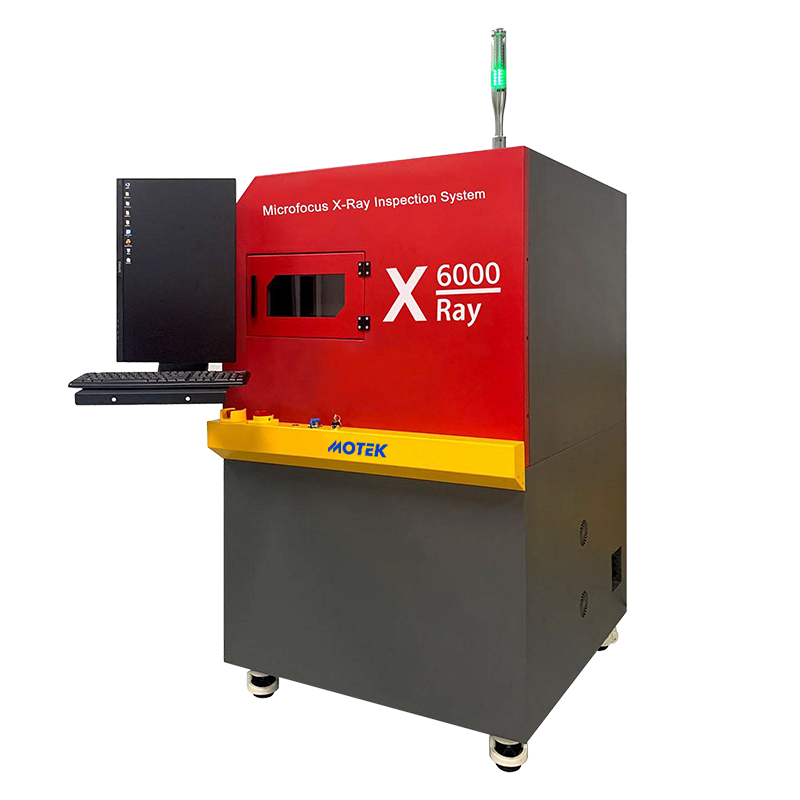
- Component Complexity: Does your production involve fine-pitch components, BGAs, or micro BGAs? This necessitates advanced inspection capabilities such as X-ray BGA inspection machines and AOI automatic optical inspection systems.
- Process Flow: Map out your ideal SMT line flow. Essential nodes typically include a solder paste printer, SMT reflow oven, placement machines, and post-solder inspection. Consider the need for automation links like PCB loader unloaders, SMT buffer conveyors, and a PCB depaneling router.
- Key Performance Indicators (KPIs): Establish targets for Overall Equipment Effectiveness (OEE), First Pass Yield (FPY), and Mean Time Between Failures (MTBF).
2. Evaluate the Provider's Core Competencies and Experience
Beyond the equipment list, the provider's expertise is paramount. A true partner offers more than just hardware.
- Industry Tenure & Specialization: Look for providers with a proven track record. Companies like Motek, whose team has been in the SMT industry for over 15 years, often possess deep, practical knowledge. Their journey from supplying SMT feeder 8mm 12mm 24mm and SMT nozzle replacement for Fuji Yamaha JUKI to becoming a one-stop service provider indicates a fundamental understanding of customer pain points and lifecycle needs.
- Technical Support & Services: Assess their service portfolio. Do they offer comprehensive SMT line optimization service and SMT production troubleshooting? The ability to support you post-installation is crucial for minimizing downtime.
- Equipment Portfolio & Compatibility: Ensure they offer a range of compatible equipment. A robust provider should handle everything from core placement systems (compatible with platforms like Fuji NXT SMT solution or Yamaha SMT mounter YSM series) to auxiliary equipment like PCBA cleaning machines and stencil cleaning machines.
As stated by Motek's philosophy: "We listen to our customers, so as to understand their needs! We understand, so to provide better solutions!" This customer-centric approach is a key indicator of a reliable partner.
3. Scrutinize Quality Assurance and Certifications
International certifications are non-negotiable benchmarks for quality and professionalism. They provide assurance of standardized processes and manufacturing integrity.
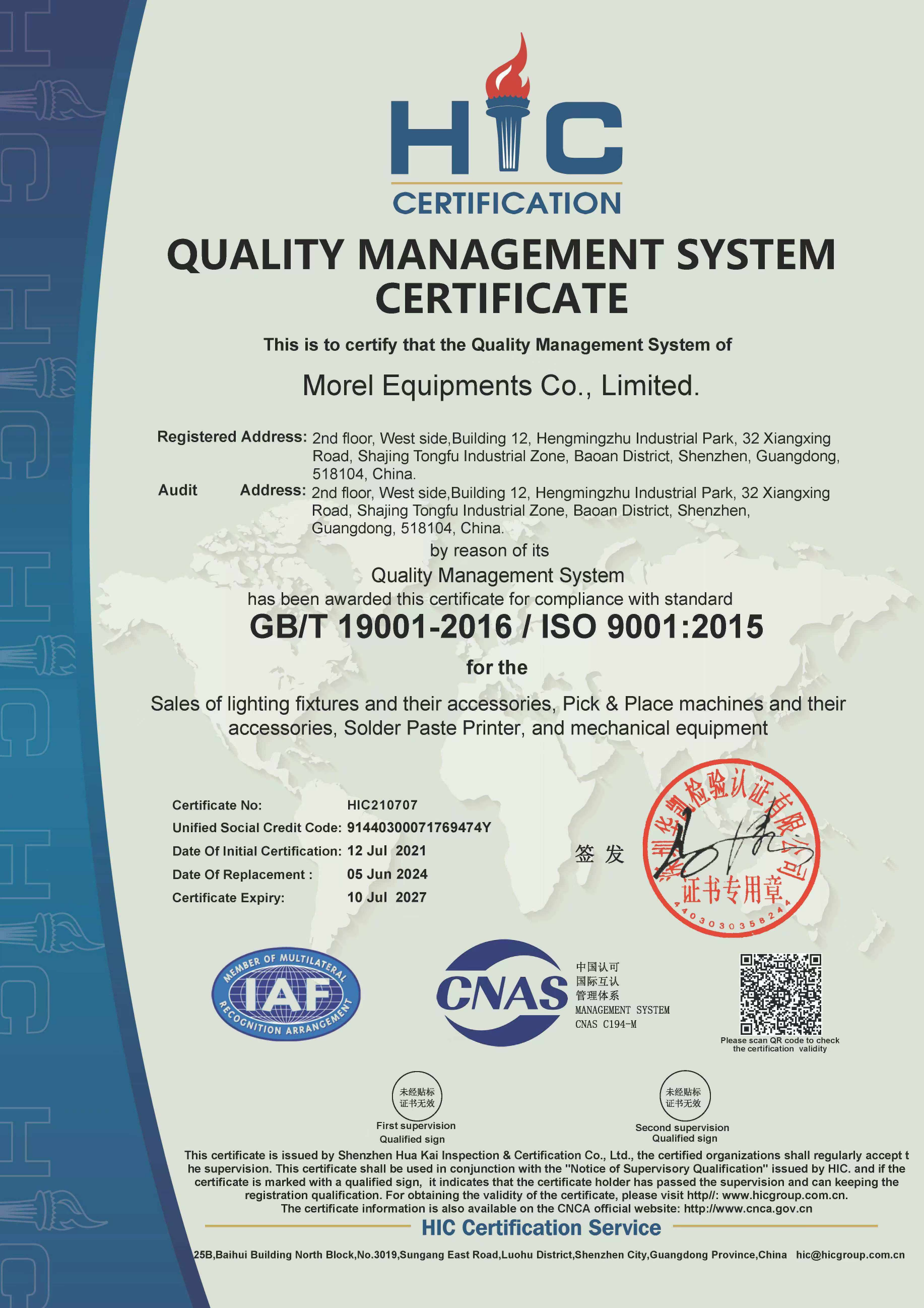
ISO 9001:2015
Quality Management System
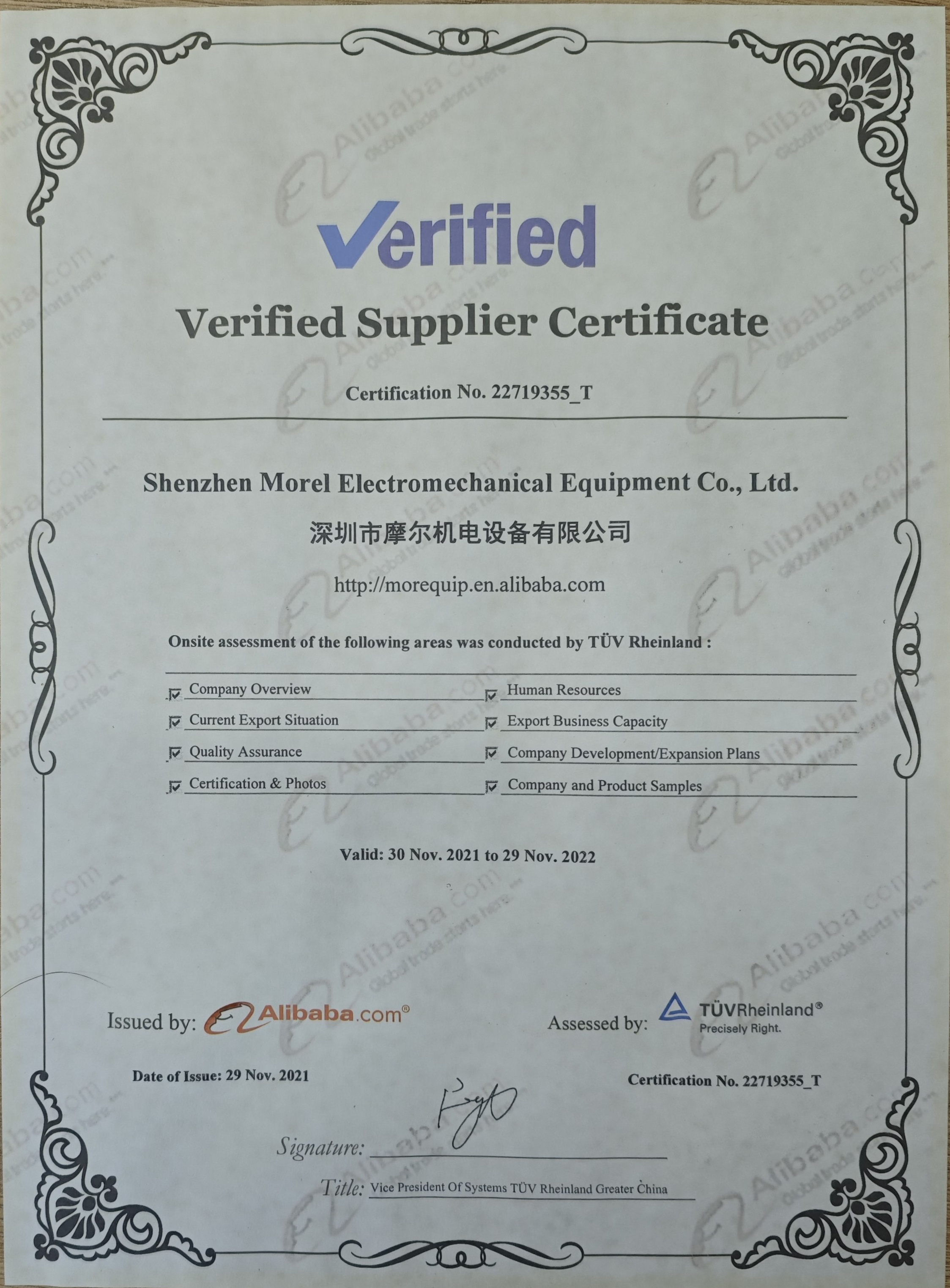
Verified Supplier Certificate
Platform Authentication
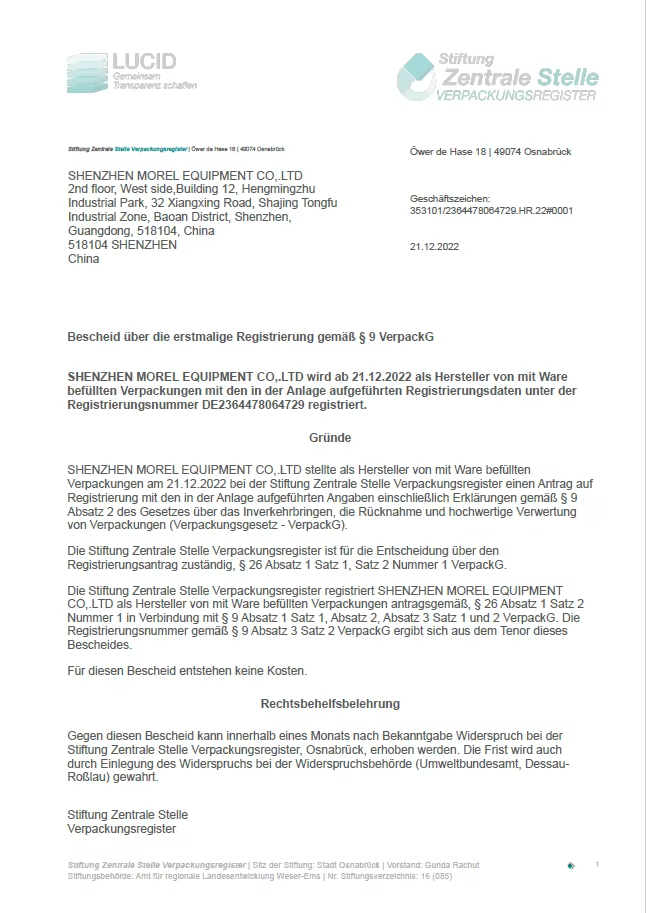
EPR Compliance
Environmental Responsibility
Providers holding certifications like ISO 9001:2015 demonstrate a commitment to consistent quality. Additional credentials, such as machinery directive attestations, are essential for sales into regulated markets like Europe.
4. Analyze the Total Cost of Ownership (TCO) and ROI
The initial purchase price is only one component of the financial equation. A thorough TCO analysis provides a clearer picture.
- Equipment Uptime & Reliability: High MTBF reduces unexpected downtime costs. Inquire about machine design and key component brands.
- Energy Consumption: Modern, efficient SMT reflow ovens and lead-free wave soldering machines can significantly reduce utility costs.
- Consumables and Spare Parts: Evaluate the cost and availability of consumables like nozzles and feeders. A provider with its own stock of SMT nozzle replacements can offer faster, more cost-effective maintenance.
- Training and Support: Factor in the value of comprehensive training for your operators and technicians, which reduces the learning curve and operational errors.
5. Conduct Due Diligence: Site Visits and Reference Checks
If possible, arrange a visit to the provider's facility and request contact information for existing clients.
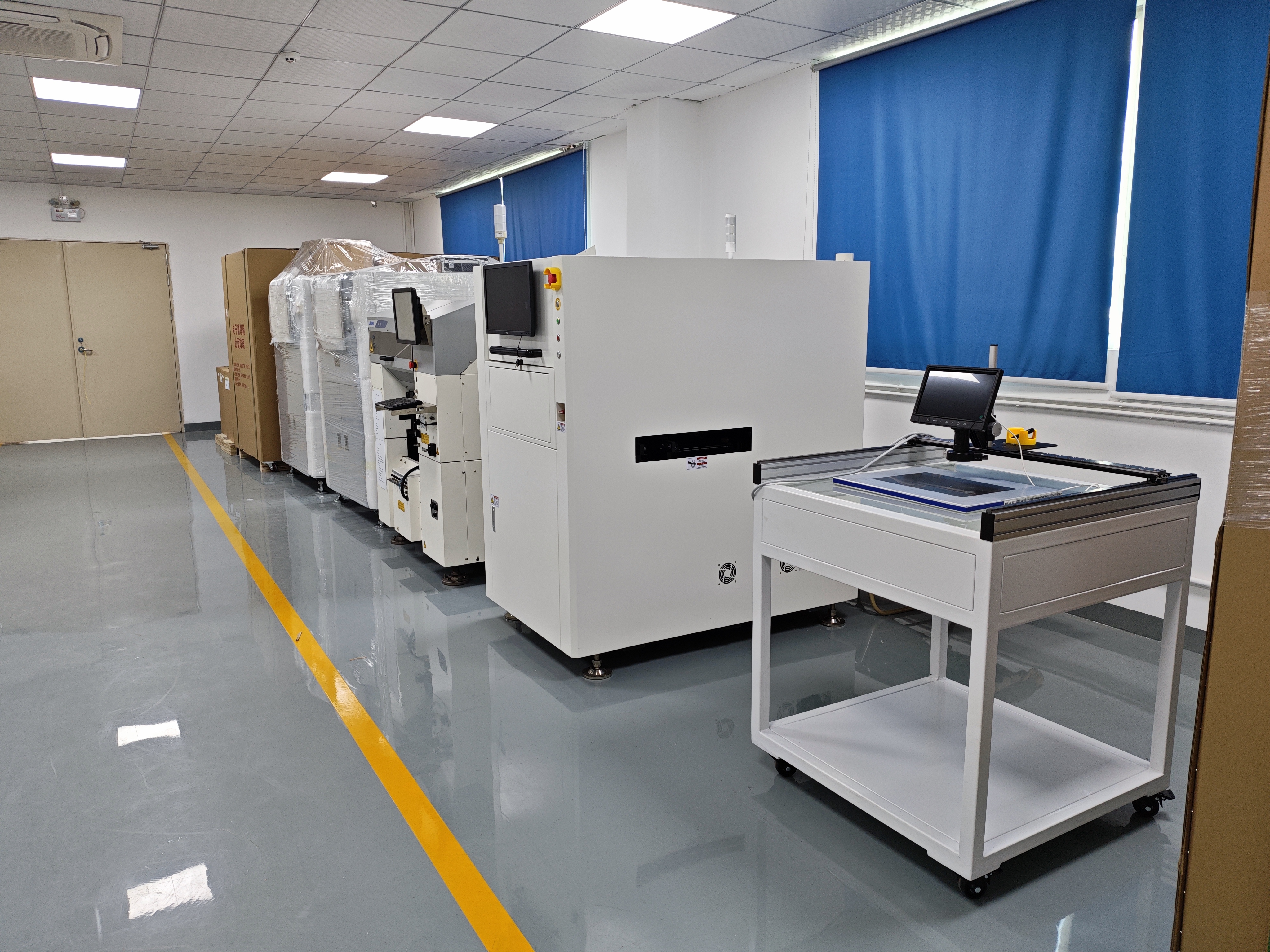
- Factory Audit: Inspect their manufacturing and assembly areas. A well-organized workshop, as seen in images from Motek's facility, reflects good management practices.
- Client References: Speak directly with other EMS factory SMT line managers who have implemented their solutions. Ask about installation support, machine performance, and responsiveness to service requests.
- After-Sales Service Model: Clarify the structure of their after-sales support. What are the response times for technical issues? Is remote diagnostics support available?
Conclusion: Building a Partnership for Success
Selecting an SMT turnkey solution provider is a strategic partnership that extends beyond a simple transaction. By methodically evaluating providers against these criteria—technical capability, proven experience, quality certifications, TCO, and verifiable client satisfaction—procurement teams can make an informed decision. A partner like Motek, which aims to be "a reliable solution provider," can offer the integrated hardware, software, and service support necessary to build a competitive, efficient, and future-ready manufacturing operation. For further technical specifications or to discuss your specific line requirements, you can reach their team via their official website at www.morequip.com or contact them at sales@morequip.com.
Have Questions or Need More Details?
Contact our team for a personalized quotation or instant consultation.
Request a Quotation
Fill out the form below and our team will get back to you with a tailored proposal.
WhatsApp Direct Chat
Prefer to chat in real-time? Message us on WhatsApp for instant assistance & quick answers.
- Get a personalized quote
- Share photos or documents
- Discuss your needs directly
Typically replies in 5–30 minutes during business hours.