
Mastering SMT Turnkey Procurement: Efficient Sourcing & Risk Mitigation 2026
Mastering SMT Turnkey Procurement: A Blueprint for Efficient Sourcing and Risk Mitigation in 2026
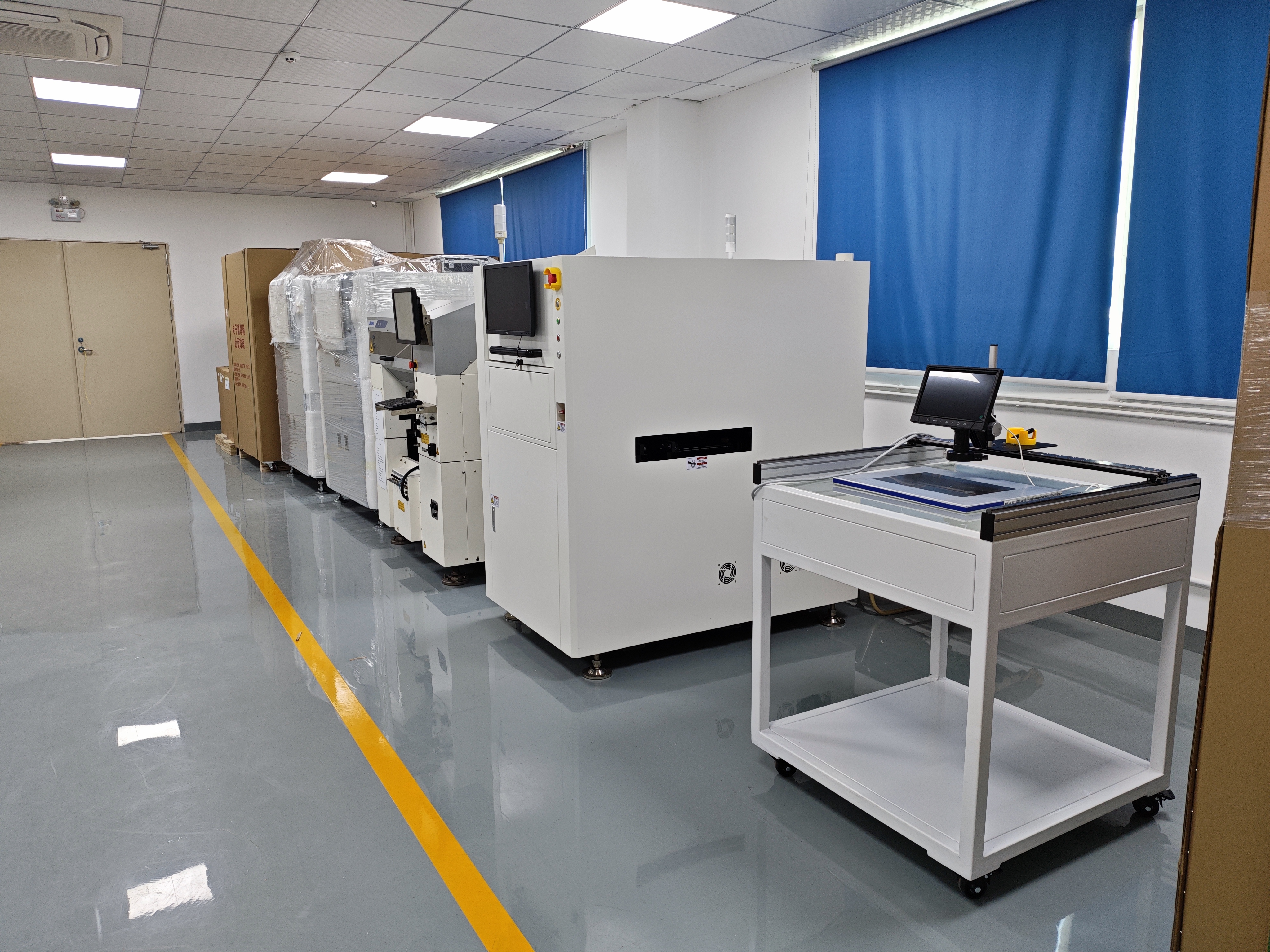
In the high-stakes world of electronics manufacturing, the difference between a profitable production run and a costly disaster often comes down to one decision: how you source your SMT turnkey solution. For procurement managers and factory directors, the challenge is not just finding equipment – it's building a reliable, efficient, and risk-free production ecosystem. This article delivers a practical framework to streamline your procurement process, avoid common pitfalls, and select a partner that ensures long-term operational success.
What Is an SMT Turnkey Solution and Why Does Procurement Complexity Matter?
An SMT turnkey solution is a comprehensive package that covers every stage of a surface mount technology production line – from solder paste printing and pick-and-place assembly to reflow soldering, inspection (AOI, SPI, X-ray), and material handling (PCB loader/unloader, buffer conveyor). Instead of sourcing each machine separately from different vendors, a turnkey provider integrates all components into a single, optimized system.
For buyers, the appeal is clear: single-point responsibility, guaranteed compatibility, and faster time-to-production. However, the turnkey market is crowded with suppliers offering varying levels of quality, support, and integration expertise. Without a structured approach, procurement teams risk hidden costs, technical mismatches, and production downtime.
The Real Risks in SMT Turnkey Procurement: A Problem Definition
Based on feedback from EMS factories, automotive electronics manufacturers, and medical device producers, the most critical procurement risks include:
- Incompatibility between machines: Even within the same brand, older and newer models may not synchronize properly. Cross-brand integration (e.g., Fuji NXT pick-and-place with a third-party reflow oven) requires deep technical expertise.
- Quality inconsistency: A turnkey line is only as strong as its weakest machine. Substandard conveyors or feeders can cause frequent stoppages and yield loss.
- Hidden costs: Installation, training, software licensing, spare parts, and after-sales support are often underestimated. Some providers lowball the initial quote and charge premium rates for service.
- Scalability limitations: A line designed for high-volume, low-mix production may struggle with the high-mix, low-volume runs common in contract manufacturing today.
- After-sales abandonment: Many suppliers disappear after the sale, leaving buyers without technical support or spare parts availability.
Industry Background: High-Mix Electronics Manufacturing Drives Turnkey Demand
The global shift toward electric vehicles, IoT devices, and 5G infrastructure has accelerated the need for flexible, high-mix SMT lines. According to industry reports, over 70% of new SMT investments in 2025-2026 prioritize quick changeover capabilities and modular line configurations. Chinese turnkey providers like Motek, with over 15 years of industry experience, have emerged as strong alternatives to traditional Japanese and European suppliers, offering competitive pricing and localized service.
How an SMT Turnkey Solution Works: Step-by-Step Technical Overview
A typical turnkey line consists of these process stages integrated into a seamless flow:
- PCB Loading: The PCB loader/unloader automatically feeds boards into the line.
- Solder Paste Printing: A solder paste printer applies precise amounts of solder paste onto the board pads.
- SPI (Solder Paste Inspection): An inline SPI inspection machine checks paste volume, height, and alignment before reflow.
- Pick-and-Place: High-speed pick and place machines (such as Fuji NXT or Yamaha YSM series) mount components accurately.
- Reflow Soldering: The board passes through a reflow oven with precise temperature profiling.
- AOI and X-ray Inspection: Automated optical inspection and X-ray BGA inspection detect soldering defects.
- Cleaning and Depaneling: Optional PCBA cleaning machine and PCB depaneling router prepare boards for final assembly.
- Buffering and Unloading: SMT buffer conveyors manage workflow, and the unloader collects finished boards.
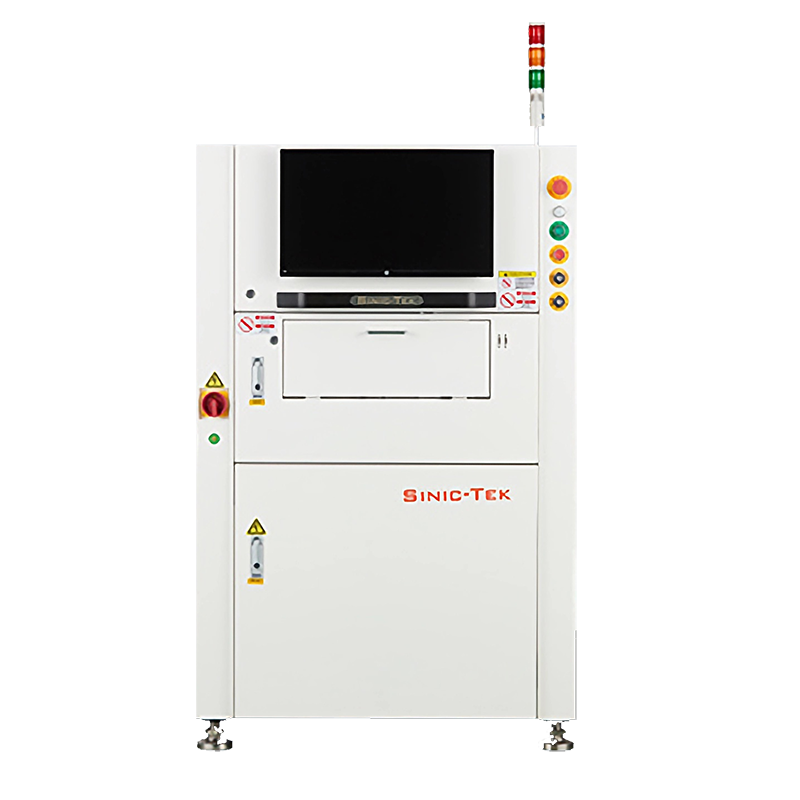
An Inline SPI inspection machine ensures solder paste quality before component placement, a critical step for yield optimization.
Step-by-Step Procurement Blueprint to Eliminate Risk
Step 1: Define Your Production Profile
Determine your typical board size, component types, throughput requirements, and changeover frequency. High-mix lines need flexible feeders (8mm, 12mm, 24mm) and quick nozzle change systems.
Step 2: Evaluate Supplier Competence
Look for a provider with proven integration experience across all line components. A reliable turnkey partner should offer both new and used equipment options, along with SMT line optimization services. Check certifications: ISO 9001:2015, verified supplier status, and machinery conformity declarations.
Step 3: Request a Technical Proposal
Ask for a line layout diagram, cycle time simulation, and a bill of materials with brand and model numbers. Ensure the proposal includes installation, training, and warranty terms.
Step 4: Visit Existing Installations
If possible, inspect a working line or request a factory tour (e.g., Motek's workshop in Shenzhen). Verify equipment condition and support infrastructure.
Step 5: Negotiate a Service-Level Agreement
Agree on spare parts supply, remote troubleshooting, and on-site response times. A good SLA can prevent weeks of downtime.
Step 6: Plan for Scalability
Choose a modular line architecture that allows adding machines (e.g., extra pick-and-place modules or buffer conveyors) as production grows.
Real-World Use Cases for SMT Turnkey Solutions
- EMS Factory Expansion: A mid-size contract manufacturer needed to add high-mix capacity. They selected a hybrid turnkey line combining a Fuji NXT mounter with a Motek-configured reflow oven and AOI. The turnkey provider handled all integration and training, reducing ramp-up time by 40%.
- Automotive Electronics: A Tier-1 supplier required zero-defect soldering for safety-critical PCBs. The turnkey solution included inline SPI, AOI, and X-ray inspection, all calibrated to IPC-A-610 Class 3 standards.
- Medical Device Startup: With limited engineering resources, a startup opted for a complete turnkey line from Motek, including SMT production troubleshooting support. The single-vendor approach simplified qualification and FDA documentation.
Frequently Asked Questions About SMT Turnkey Procurement
What is the average lead time for a turnkey SMT line?
Depending on customization and equipment availability, typical lead times range from 6 to 12 weeks. Motek offers expedited delivery for standard configurations.
How do I compare turnkey quotes?
Focus on total cost of ownership (TCO) including installation, training, spare parts, and service. Compare line throughput (CPH – components per hour), defect rate guarantees, and warranty duration.
Should I choose a Chinese provider over a Japanese or European one?
Chinese turnkey providers like Motek offer competitive pricing and robust after-sales support for high-mix lines. Japanese brands (Fuji, Yamaha, JUKI) excel in speed and precision for high-volume runs. Your choice depends on production profile and budget.
Can I integrate used machines into a turnkey line?
Yes, many turnkey providers offer refurbished machines with warranty. Motek can integrate used Fuji NXT or Yamaha YSM mounters with new support equipment to balance cost and performance.
Choosing the Right SMT Turnkey Solution Partner: A Buyer’s Decision Matrix
| Criteria | Why It Matters | Motek’s Approach |
|---|---|---|
| Integration Experience | Ensures line compatibility and minimized debugging | 15+ years in SMT, from accessories to full lines |
| Certifications | Validates quality management and safety compliance | ISO 9001:2015, Verified Supplier, EPR, Machinery Directive |
| After-Sales Support | Reduces downtime risk | Remote and on-site support, spare parts stock |
| Flexibility | Adapts to changing production needs | Modular line design, supports Fuji/Yamaha/JUKI integration |
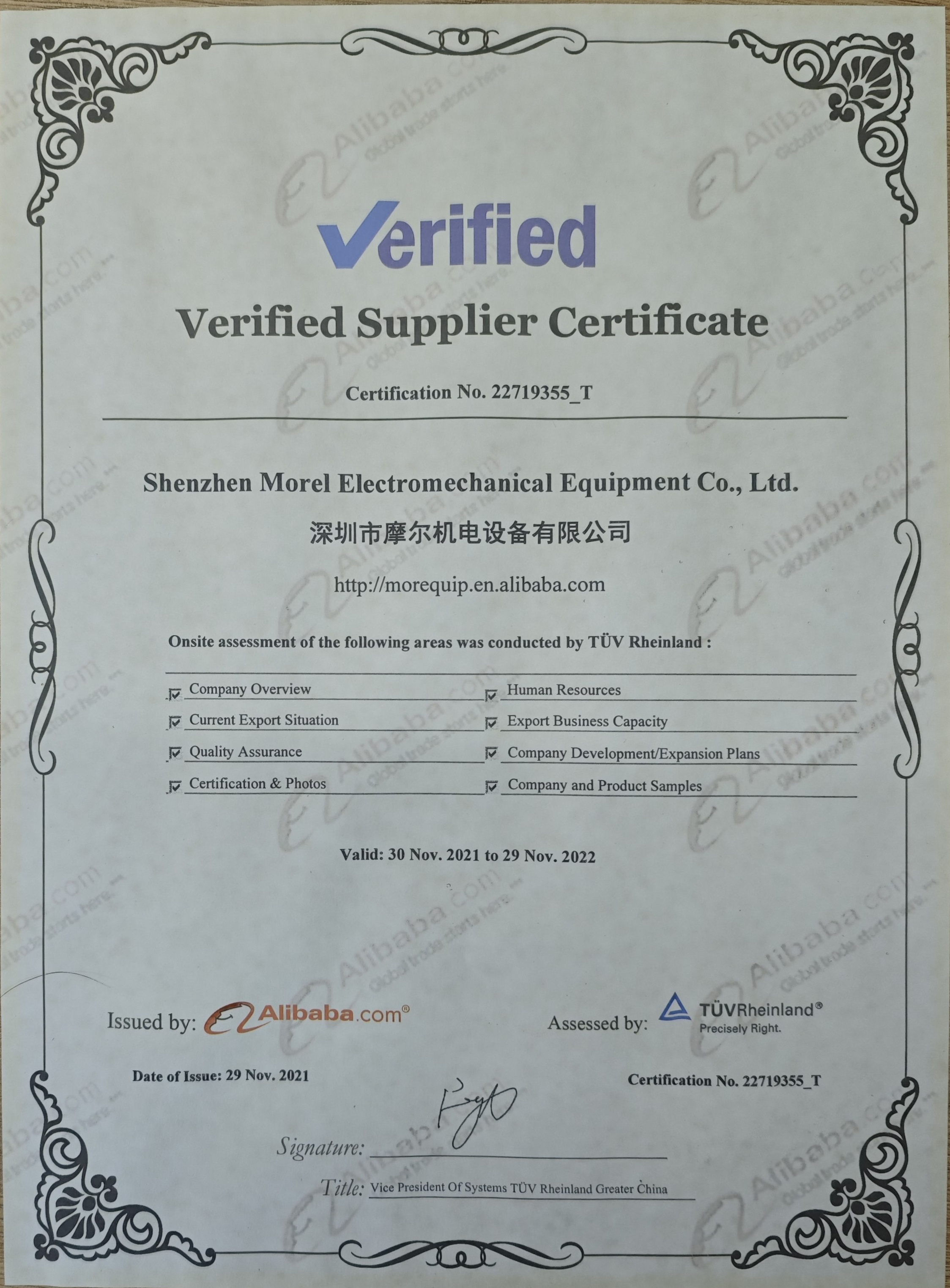
Motek holds ISO 9001:2015 and Verified Supplier certifications, ensuring consistent quality and reliability.
Conclusion: Partner with a Trusted SMT Turnkey Provider
Efficient procurement of an SMT turnkey solution requires more than comparing price lists. It demands a structured evaluation of technical compatibility, after-sales commitment, and scalability. By following the blueprint outlined above, electronics manufacturers can avoid the traps of hidden costs, quality issues, and integration failures.
Motek stands ready as a reliable partner with over 15 years of industry experience, a comprehensive portfolio of SMT equipment, and certifications that inspire confidence. Whether you need a complete line for high-mix production or optimization services for an existing line, Motek’s team listens, understands, and delivers solutions tailored to your needs.
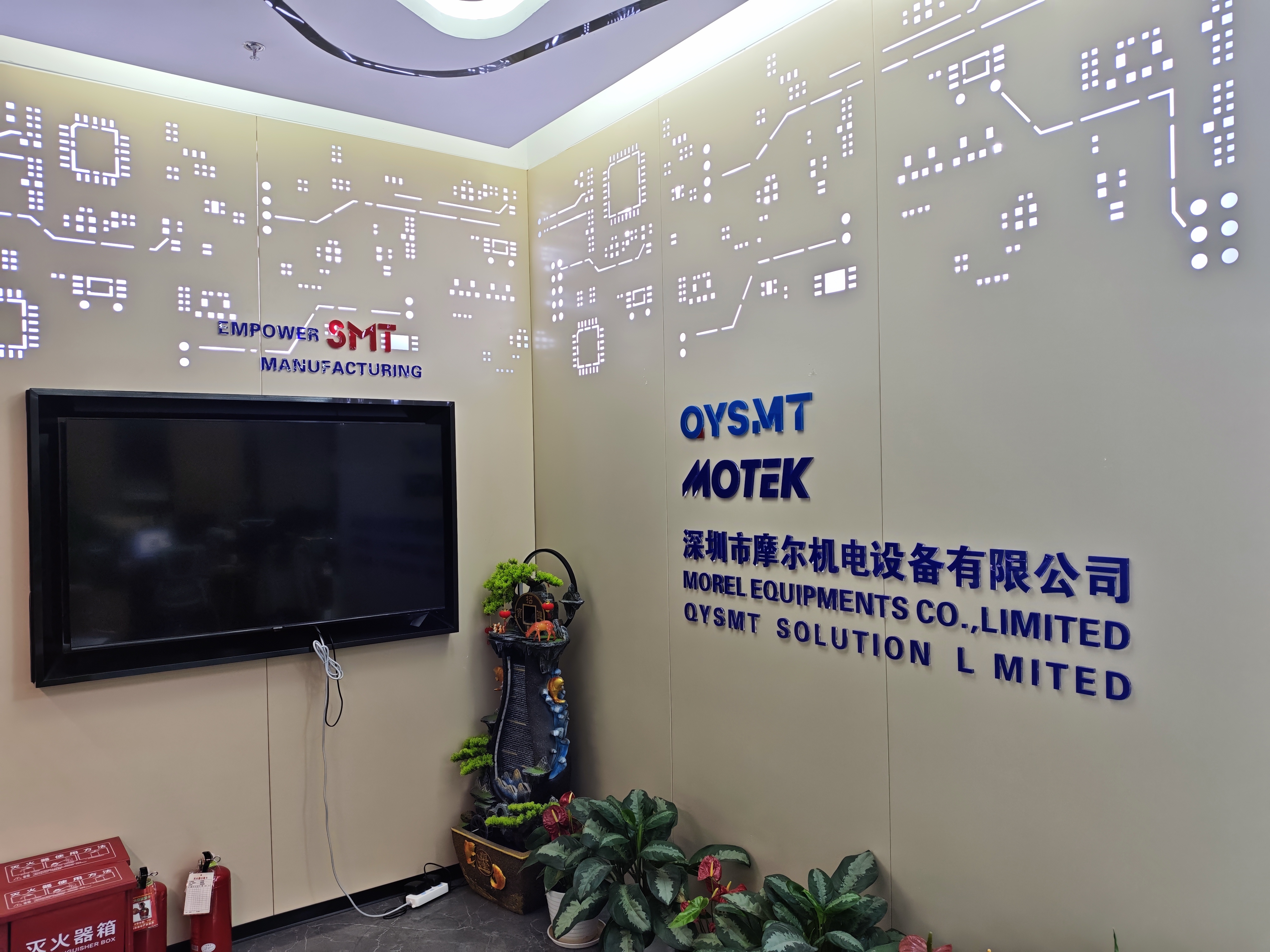
Contact Motek today for a free consultation and turnkey proposal:
📞 +86-755-21635007 | 📱 +86 199 2455 0176
✉️ sales@morequip.com | 🌐 www.morequip.com
Address: Room 405, Building A, Zhonggang Plaza, Exhibition Bay, No. 83, Zhanjing Road, Fuhai Sub-district, Bao'an District, Shenzhen, China
Have Questions or Need More Details?
Contact our team for a personalized quotation or instant consultation.
Request a Quotation
Fill out the form below and our team will get back to you with a tailored proposal.
WhatsApp Direct Chat
Prefer to chat in real-time? Message us on WhatsApp for instant assistance & quick answers.
- Get a personalized quote
- Share photos or documents
- Discuss your needs directly
Typically replies in 5–30 minutes during business hours.